Table of Contents
ToggleIf you’re eyeing a Frigidaire washer dryer combo for a cramped apartment, condo, or laundry closet, you’re looking at a practical solution that saves space without forcing you to sacrifice performance entirely. These all-in-one units have come a long way from the underperforming models of a decade ago, but they’re not a catch-all fix for every home. Before dropping cash on one, you need to understand what you’re getting into: how they work, what trade-offs come with the territory, and whether a combo actually fits your lifestyle better than stacked or side-by-side units.
Key Takeaways
- Frigidaire washer dryer combos save space in apartments and condos with a compact footprint, but require careful measurement for proper installation and door clearance.
- These units combine wash and dry in a single drum, resulting in longer cycle times (60–90 minutes) compared to separate appliances, making them ideal for moderate laundry volumes of 1–3 loads per week.
- Sensor dry technology in Frigidaire combos automatically stops cycles when clothes are dry, improving energy efficiency over timed drying while protecting fabrics from overheating.
- Monthly maintenance—including cleaning cycles, lint filter checks, and rubber gasket wiping—is essential to prevent mold, bacteria buildup, and the odor issues that commonly plague combo units.
- Frigidaire’s reputation for parts availability and repair support makes long-term ownership practical, but combos are not suitable for large families or frequent loads of bulky items like comforters.
- Ventless models eliminate the need for external ductwork, making them perfect for restrictive apartment leases, though they cost more upfront and dry slower than vented options.
What Makes Frigidaire Washer Dryers Stand Out
Frigidaire has built a reputation on producing reliable, no-fuss appliances aimed at mainstream households, and their washer dryer combos follow that playbook. Unlike boutique or premium brands that lean heavily into smart features and aesthetic minimalism, Frigidaire focuses on durability, straightforward controls, and value. Most Frigidaire combo units use a single drum and motor to handle both wash and dry cycles, which simplifies the mechanical architecture compared to separate units but also means longer total cycle times.
What buyers often appreciate about Frigidaire models is the brand’s track record for parts availability and repair support. If something goes sideways, a motor bearing wears out, a valve sticks, finding a replacement part or a technician familiar with the design isn’t a nightmare. That matters more than it sounds when you’re three years into ownership and facing a $200 repair versus a $1,200 replacement. Build quality sits in the solid middle ground: not industrial-grade, but sturdy enough to handle daily family use without constant maintenance drama.
One practical advantage is that Frigidaire offers multiple capacity tiers and control options, from stripped-down mechanical knob models to touchscreen versions with app connectivity. This flexibility lets you match your budget and technical comfort level to your actual needs rather than overpaying for features you’ll never touch.
Key Features and Specifications to Know
Capacity and Load Flexibility
Most Frigidaire combo units range from 3.5 to 4.5 cubic feet, which sits between a standard compact washer (2.5–3 cu ft) and a full-size top loader (4.5–5.5 cu ft). That middle ground means you can handle bedding, towel loads, and occasional heavy items without buying a second machine, but you won’t be throwing in an entire winter coat collection in one go. Always check the exact capacity listed for the specific model you’re considering: manufacturer specs sometimes list gross capacity versus usable drum space, and the difference matters when you’re packing in a load.
Flexibility comes from adjustable water levels and multiple cycle presets (normal, delicate, bulky, allergen, etc.). Some models add options like automatic dispensers for detergent and fabric softener, which reduces guesswork and prevents overdosing, a common cause of residue buildup and odor in combo units. But, if you prefer to hand-load your soap because you like to save money or use specific brands, confirm the manual override option before buying.
Advanced Drying Technology
This is where combo units show their limits and also their smart engineering. Frigidaire combos typically use sensor dry technology, meaning moisture sensors inside the drum detect when clothes are dry enough and shut down the cycle automatically. That saves energy compared to timed drying, but it also means the back half of the cycle runs slower and cooler to avoid overdrying synthetics. You’re trading speed for gentleness and efficiency.
Some higher-end Frigidaire combos add steam or deep fill options that help loosen wrinkles and rehydrate fabrics during or after the wash phase. It’s genuinely useful for linen and cotton blends that wrinkle aggressively, but don’t expect it to replace ironing, it just reduces the labor. The drying times on combos are longer than dedicated electric dryers (typically 60–90 minutes for a mixed load versus 35–45 on a standalone dryer), so if you’ve got a household doing laundry frequently, the wait might feel frustrating.
Installation and Space Considerations
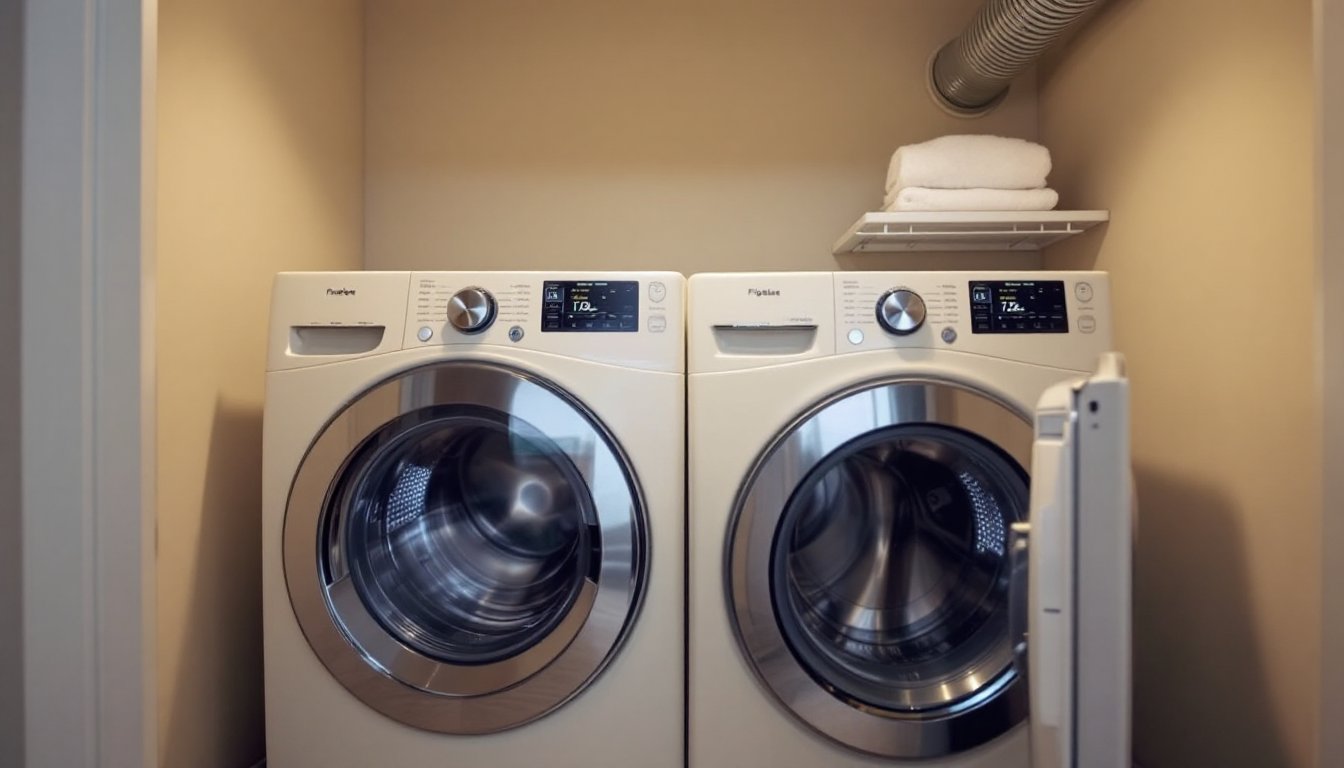
Combo units are compact by design, typically around 27–28 inches wide, 39–42 inches tall, and 24–26 inches deep, roughly the footprint of a standard dishwasher. This is the main selling point for apartments, condos, and laundry closets where stacking isn’t an option or space is genuinely tight. Before you order one, measure your alcove or closet carefully and account for hose clearance, door swing, and ventilation space. A unit that fits the footprint perfectly but can’t open fully becomes a source of daily frustration.
Venting requirements vary by model. Vented combos need a flexible 4-inch ductwork run to the outside or a window vent kit: no vent, no dry function. Ventless combos use heat-pump or condensation-based drying, which doesn’t need external venting but is slower and pricier upfront. If your living situation doesn’t allow external venting, common in apartments and tightly regulated condos, a ventless model is your only option. Check your lease or HOA rules before settling on a vent type.
Electrical demands are moderate: most Frigidaire combos run on standard 120-volt household current, unlike full-size standalone dryers that often need 240-volt dedicated circuits. That simplicity is convenient for renters and retrofit installs, but confirm amperage requirements with your electrician if you’re adding a new outlet. Water supply hookup is straightforward, hot and cold inlets, one drain line, but you’ll want those supply lines within a few feet of the unit location to avoid excessively long runs that slow water delivery.
Maintenance and Longevity Tips
Combo units don’t require exotic maintenance, but they do demand attention to a few specific trouble spots. Run the cleaning cycle monthly (if your model includes one) to purge soap residue, lint, and bacteria buildup from the drum and seals. Stagnant moisture between cycles is the enemy: crack the door open after each load and wipe down the rubber gasket monthly to prevent mold growth and the accompanying smells that turn people off combos forever.
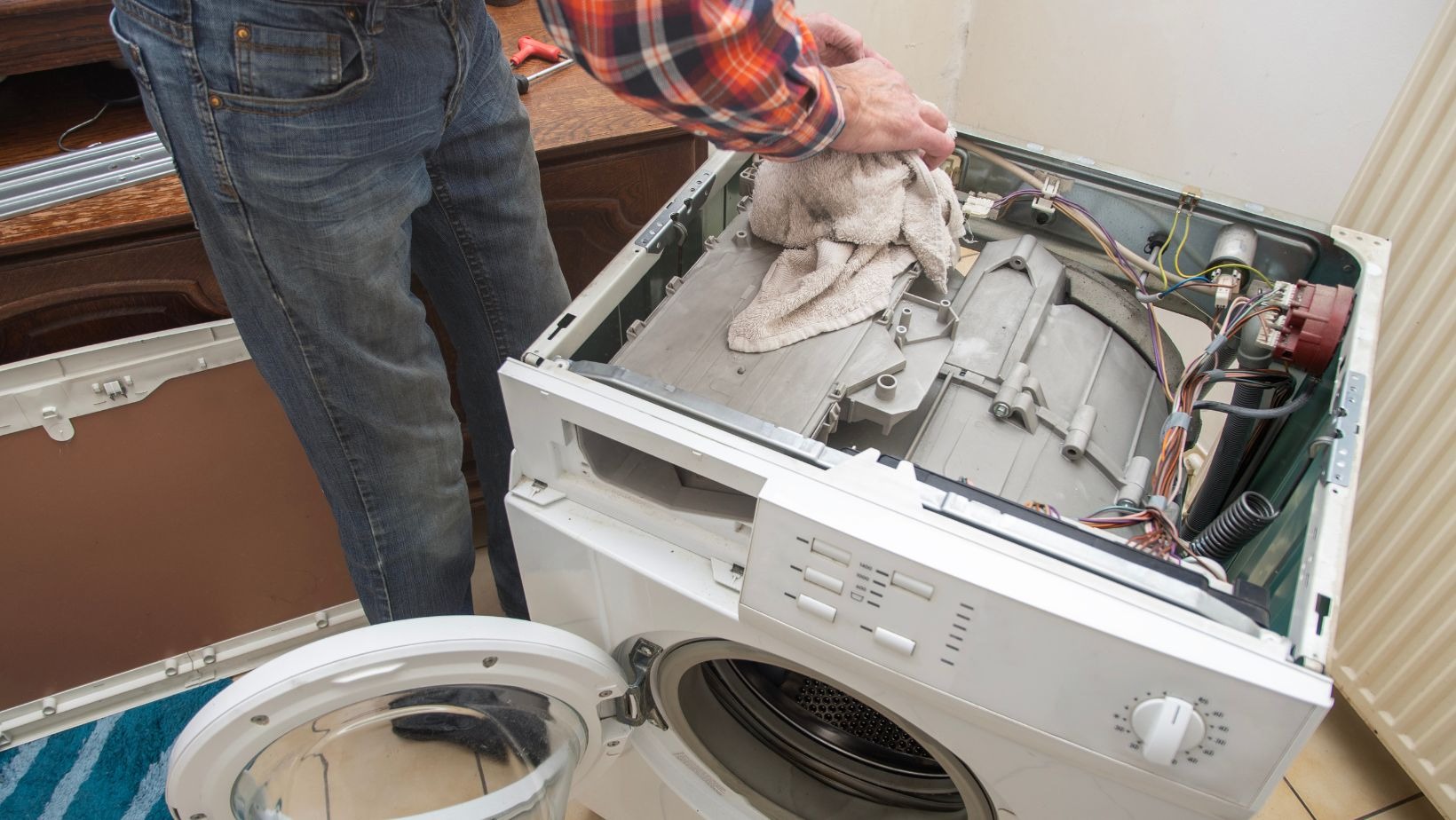
Lint traps deserve respect. Because moisture lingers in the drum during and between cycles, lint doesn’t dry and exit as easily as it would in a vented dryer. Clean the lint filter after every single dry cycle, not just “when you remember.” Trapped lint reduces airflow, extends drying time, and increases fire risk if ventilation clogs. If your combo has a drain pump filter (some models do), check it quarterly for debris that could block water evacuation.
Don’t overload the unit, even if the manual says maximum capacity. Overloading creates uneven water distribution during wash, prevents proper rinsing, and forces the drying phase to run twice as long. Washing in 80% capacity batches costs a bit more in utility cycles, but it extends the unit’s working life and delivers better cleaning. Avoid excessive fabric softener and dryer sheets, which accelerate sensor gumming on combo units. Plain dryer balls or wool dryer sheets are safer bets for reduced static and wrinkles without the coating headache.
Is a Frigidaire Washer Dryer Combo Right for You?
A Frigidaire combo makes sense if you’re space-constrained, do moderate-volume laundry (1–3 loads per week), and can tolerate longer cycle times for the convenience of a single appliance. Renters particularly benefit because the footprint works in tight apartments and installation is simpler than running separate machines and venting.
It’s a poor fit if you have a family of four-plus generating daily loads, frequently wash bulky items (comforters, heavy work clothes), or live somewhere that restricts venting options and you’d need a slow ventless model. Gardeners, contractors, and outdoor enthusiasts often find combo units frustrating because the single-drum design doesn’t handle multiple dirty loads in parallel, and sensor drying can’t distinguish between heavy work fabrics and dress shirts.
Comparison testing from reliable washing machine reviews shows Frigidaire combos delivering solid mid-range performance without cutting corners on wash action or durability. They’re not the fastest dryers on the market, but sensor-based drying is genuinely more efficient than fixed-time cycles. Before committing, rent one for a month if possible (some appliance rental shops offer trial periods), or visit a showroom and talk through cycle times and capacity with someone who’s used one daily. Your actual laundry rhythm, not the spec sheet, will tell you whether a combo is a smart buy or an expensive compromise.