Table of Contents
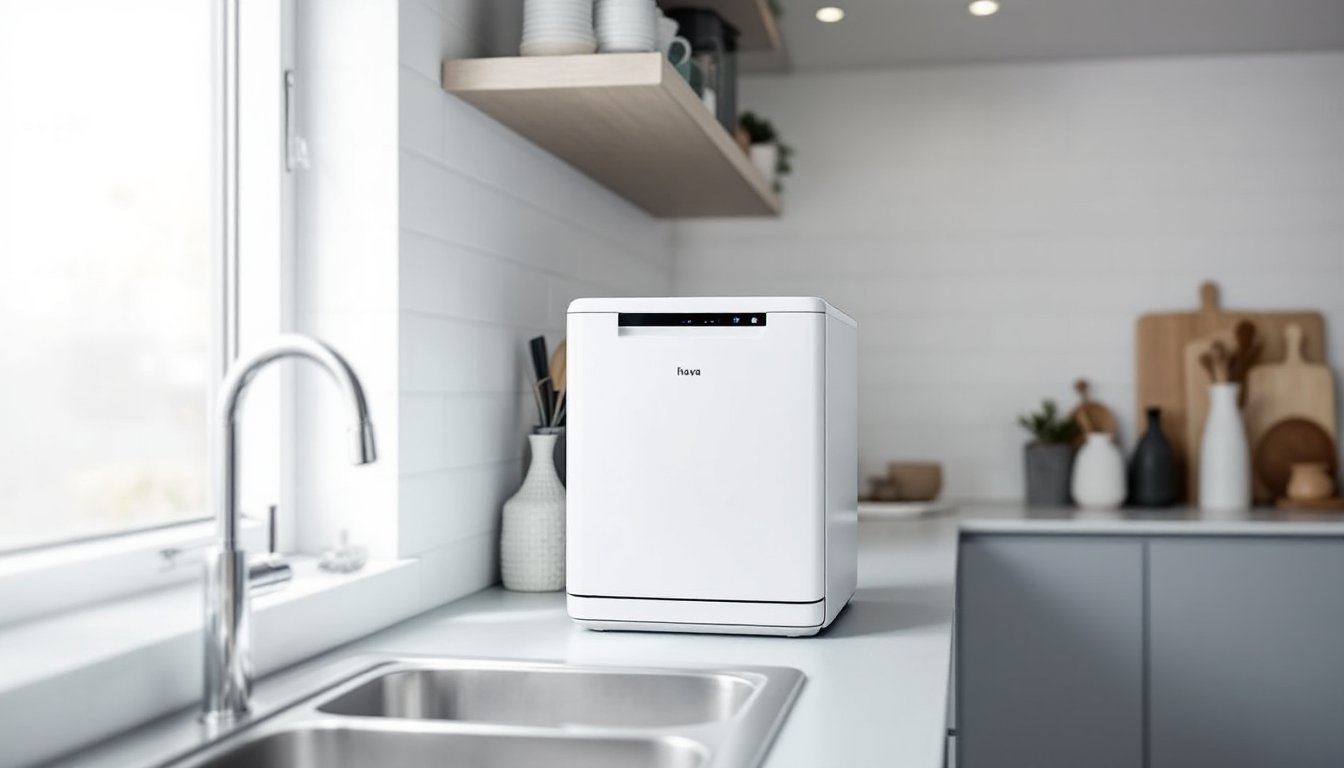
ToggleIf you’re shopping for a new dishwasher, you’ve probably heard Haier’s name pop up more than once. The Chinese appliance manufacturer has been steadily building a reputation in North America for offering reliable, budget-conscious dishwashers without skimping on performance. Whether you’re upgrading an aging unit or installing one for the first time, understanding what Haier brings to the table helps you make an well-informed choice. This guide walks you through Haier’s popular models, key features, installation realities, and how they stack up against mainstream brands, so you can figure out if a Haier dishwasher is right for your kitchen.
Key Takeaways
- Haier dishwashers deliver reliable cleaning performance and energy-efficient operation at mid-range prices, typically using 3–4 gallons of water per cycle compared to 27+ gallons for hand-washing.
- Most Haier models feature ENERGY STAR certification, soil sensors, and modern conveniences like smart WiFi connectivity and delay-start functions without premium pricing.
- Before buying a Haier dishwasher, verify your cabinet dimensions (standard 24″ wide × 35″ tall × 24″ deep), plumbing requirements (hot-water line and drain), and electrical outlet availability to avoid costly installation surprises.
- Basic maintenance—monthly empty-cycle runs, annual spray arm cleaning, and regular door seal checks—extends a Haier dishwasher’s lifespan to 10–15 years with minimal effort.
- Compared to budget brands like GE and Whirlpool, Haier offers superior energy efficiency and soil-sensor technology at similar prices; compared to premium brands like Bosch, Haier sacrifices some noise reduction but saves $300–$600.
Why Haier Dishwashers Are Worth Considering
Haier dishwashers occupy a sweet spot in the market: they deliver solid cleaning performance and modern conveniences at prices that don’t require a second mortgage. Most models hover in the mid-range, making them accessible to homeowners who want features like soil sensors and quiet operation without premium pricing.
One of Haier’s strengths is energy efficiency. Many models carry ENERGY STAR certification, which means they meet EPA standards for water and electricity consumption. A certified Haier dishwasher typically uses around 3–4 gallons of water per cycle, substantially less than hand-washing, which burns 27 gallons or more. That translates to meaningful savings over the appliance’s 10+ year lifespan, especially in regions with high water or energy costs.
Reliability is another selling point. Haier has invested heavily in manufacturing quality over the past decade, and their dishwashers generally receive solid user ratings for durability. Fewer complaints about premature motor or pump failures compared to some budget competitors. Parts availability in North America has improved, so repairs (if needed) don’t turn into multi-month waits.
That said, Haier dishwashers tend to be quieter in operation but not silent, expect 45–48 decibels on average, which is acceptable for most kitchens but not as whisper-quiet as premium brands running 37–40 dB. If kitchen noise is a priority and you have the budget, higher-tier models from other manufacturers might be worth the premium.
Popular Haier Dishwasher Models and Features
Haier’s current lineup includes models ranging from basic top-controls to modern, sleek units with touch panels and app connectivity. Popular lines include the HDW 5000 (entry-level, no-frills), HDE 3200 (mid-tier with smart features), and HDC 5000 (premium, fully loaded).
Most Haier dishwashers come standard with 16-place settings, which comfortably accommodates a family’s dinner service without needing a second load immediately. Capacity is roughly equivalent across models, the difference lies in wash cycles and drying technology.
Nearby any mid-range Haier model, you’ll find programs like Eco Wash (which runs shorter cycles for lightly soiled loads), Heavy Duty (for caked-on food), Delicate (for glasses and china), and 1-Hour Quick Wash. Soil sensors auto-adjust water and detergent use based on how dirty the load is, reducing waste on light loads.
Haier’s smart-enabled models connect to your phone via WiFi, letting you start or monitor cycles remotely, handy if you run a load while away from home. But, not all units have this: confirm before buying if remote control is important to you.
Energy Efficiency and Smart Technology
All current Haier dishwashers are ENERGY STAR certified, operating at or below 194 kWh annually (depending on model). Look for the yellow EnergyGuide label in the store or online to compare annual operating costs with competing brands.
Smart technology on higher-end Haier models includes delay-start functions (run the dishwasher during off-peak utility hours) and cycle notifications sent to your phone. Some units integrate with home automation systems, though support varies by your smart-home platform, check compatibility before purchase.
Drying performance varies. Basic models use heated-air dry, which is functional but slower. Premium models employ auto-open door drying, where the door cracks open automatically at cycle end to let steam escape. This reduces spotting and drying time significantly without consuming extra energy. When shopping, this feature is worth checking if you live in a hard-water area or dislike hand-drying glasses.
Installation and Setup Considerations
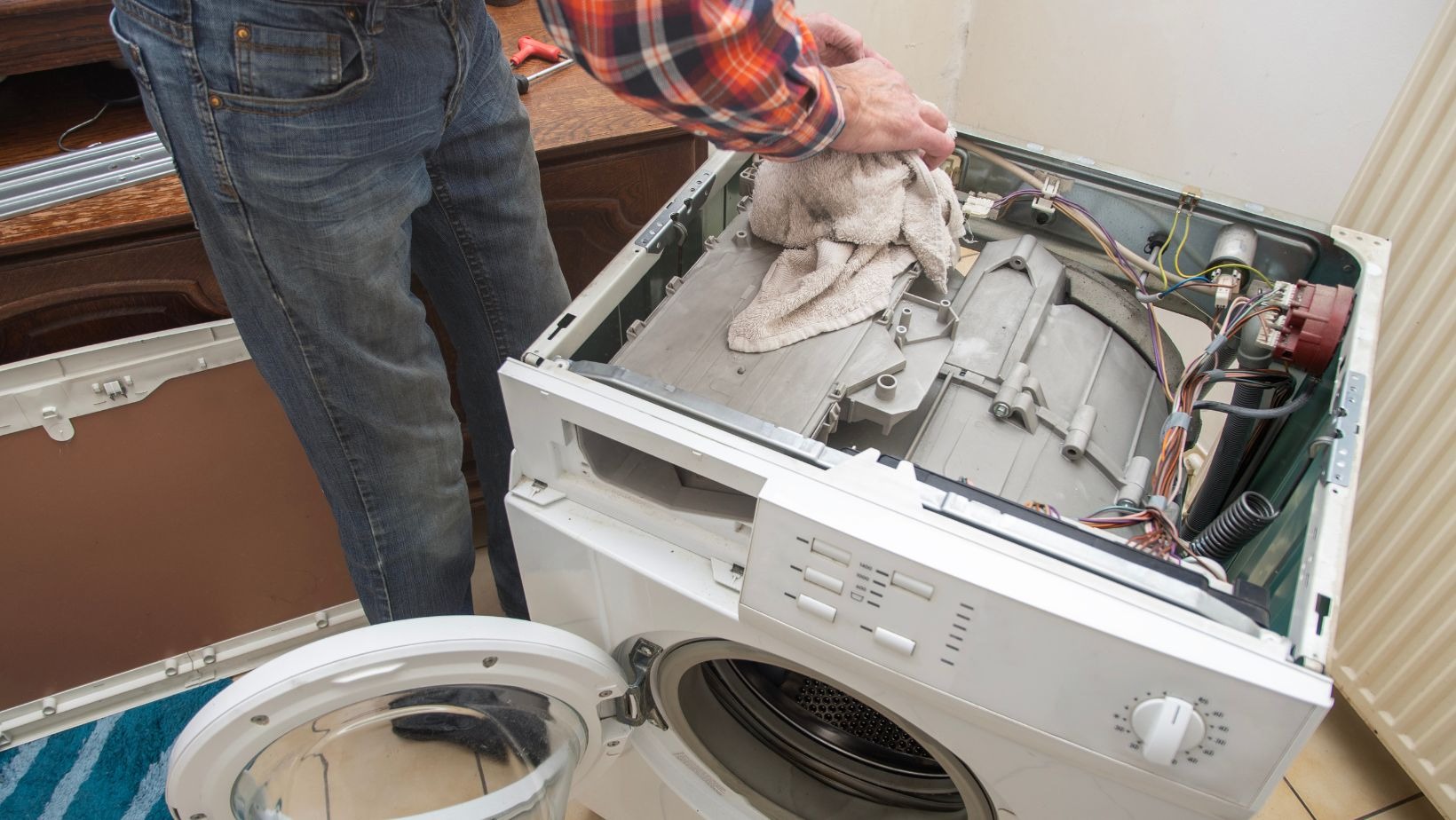
Installing a Haier dishwasher is straightforward if you’re replacing an existing unit, but there are a few details to nail before you buy.
Dimensions matter. Standard-width Haier dishwashers measure 24 inches wide, 35 inches tall (including the top of the door handle), and 24 inches deep. Verify your cabinet opening matches these specs. If you have a shallow sink cabinet (less than 24 inches deep), installation becomes tight or impossible, measure twice before ordering.
Water inlet and drain lines are the key connections. Haier dishwashers connect to a hot-water line (not cold: the unit doesn’t heat water from cold on most models), a cold-water backup, and a drain line. If your kitchen isn’t already plumbed for a dishwasher, you’ll need a plumber to tap the hot line and rig a drain connection. This isn’t a DIY job unless you’re comfortable with PEX or copper supply lines and have the right fittings. Budget $200–$400 for professional plumbing if you’re starting from scratch.
Electrical is simpler. Haier dishwashers require a dedicated 120V outlet (standard US kitchen outlet). If your cabinet location doesn’t have one nearby, you may need to run a circuit, another job for a licensed electrician in most jurisdictions. Many building codes require dishwashers on their own circuit, not shared with other appliances. Check your local electrical code.
Installing the unit itself takes 1–2 hours once connections are ready. Haier includes basic installation instructions: many retailers offer free or low-cost delivery and hookup. Taking advantage of that service is usually cheaper than hiring a handyman and ensures the warranty isn’t voided by improper setup.
One pro tip: let the dishwasher sit upright for at least 5 hours after delivery before running it. If it was transported on its side, internal fluids need time to resettle. Running it too soon can damage the motor.
Maintenance Tips for Long-Lasting Performance
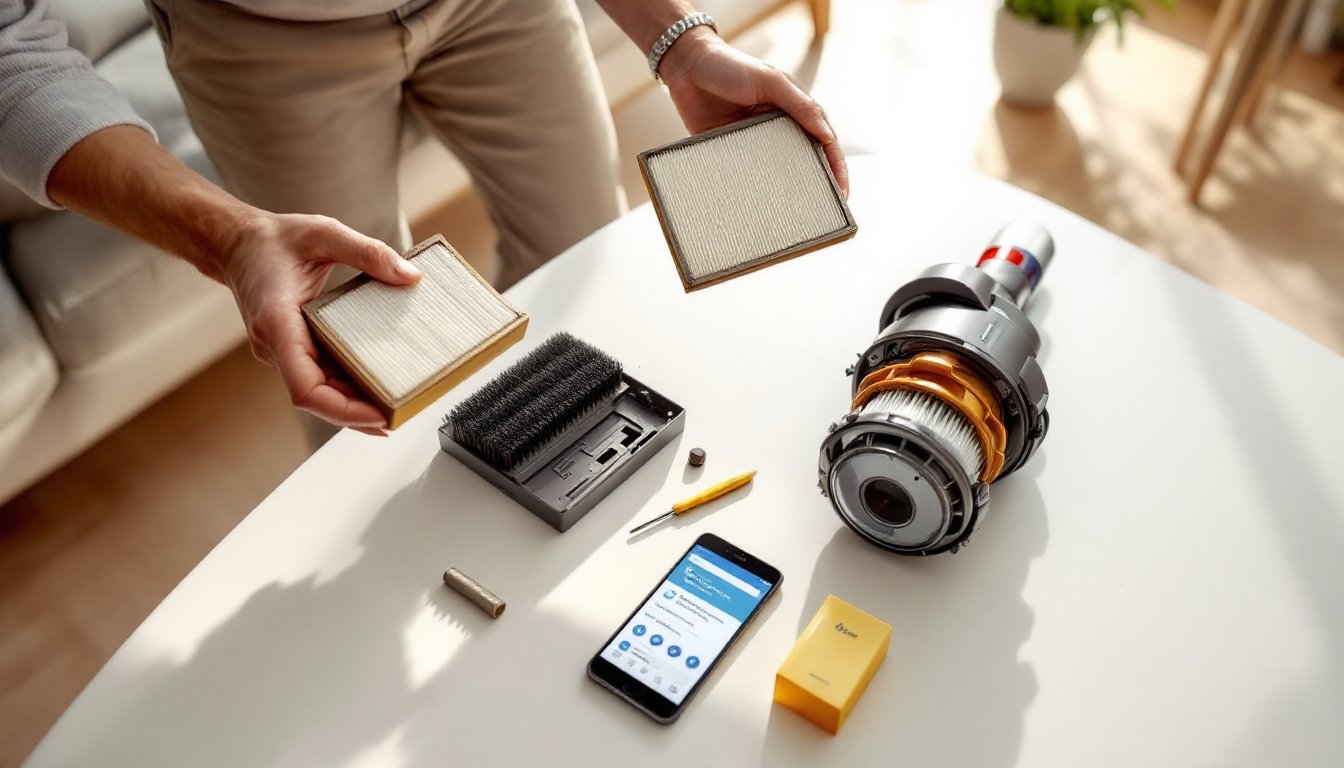
A Haier dishwasher will last 10–15 years with basic maintenance. Most owners never open the thing except to load and unload, which is fine, these machines are largely self-sufficient.
Monthly, run the empty dishwasher on a hot-water cycle (no detergent). This clears mineral deposits and residual food particles from the spray arms and seals. If you live in a hard-water area, running the empty cycle every two weeks pays dividends.
Clean the spray arms annually. They’re typically removable (check your manual). Hold them up to a light and poke any blocked holes with a toothpick or small wire. Mineral buildup can reduce cleaning power significantly.
Check the rubber door seal every six months. Food particles and mold can settle in the grooves. Wipe it with a damp cloth and mild vinegar solution. If the seal cracks or peels, replace it, a new seal costs $30–$80 and prevents water leaks.
Use rinse aid in hard-water areas. Haier machines have a reservoir for rinse aid (typically located inside the door panel). This reduces spotting and helps water bead off dishes during the final rinse. Refill when the indicator light shows empty, usually every 2–3 months depending on usage.
Never force the door open during a cycle. Haier uses a child-lock mechanism on many models that prevents accidental mid-cycle opening. If the door feels stuck and the unit is running, wait for the cycle to finish.
If your dishwasher smells funky, it’s usually mold in the door gasket or residue in the filter. Remove and rinse the filter basket (located at the bottom of the tub) under running water, and repeat the monthly empty-cycle maintenance above.
Comparing Haier to Other Brands
Haier occupies the middle tier alongside brands like Bosch, LG, and Samsung. To understand how it compares, consider three factors: price, performance, and support.
Price-wise, Haier undercuts brands like Bosch and Miele by $300–$600 on equivalent models. Independent reviews on dishwasher comparisons from Tom’s Guide rank Haier models competitively against mid-tier competitors, though premium brands still edge ahead in noise reduction and drying consistency. GE and Whirlpool, the traditional budget players, often match Haier’s price, but Haier’s energy efficiency ratings and soil-sensor technology are often superior.
Performance comes down to cycle selection and drying. Cleaning-performance data from Good Housekeeping shows Haier models perform well on standard loads but aren’t standout winners in lab tests for baked-on food. If you regularly load the machine without rinsing heavily soiled dishes, spending more on a Bosch or Miele might be worth it. For typical family loads and light-to-moderate soil levels, Haier does the job capably.
Parts and service differ by region. In urban areas, Haier parts are readily available, and technicians are trained. In rural areas, LG and Samsung have broader service networks. If remote technical support matters, kitchen design and appliance discussions at The Kitchn reveal that Haier’s customer service is improving but still lags behind established brands on response times.
The verdict: Haier is ideal if you want solid, efficient performance at a fair price and don’t need the quietest, fanciest unit on the market. If silence and lab-tested cleaning power are non-negotiable, invest in Bosch. If you prioritize brand familiarity and local service, stick with GE or Whirlpool.
Conclusion
A Haier dishwasher is a pragmatic choice for homeowners balancing budget and function. It delivers reliable cleaning, energy efficiency, and modern conveniences at mid-range pricing. Before purchasing, confirm your kitchen’s plumbing and electrical setup, measure your cabinet opening, and decide which features matter most (smart control, drying method, cycle variety). With straightforward installation and minimal maintenance, you’ll get a solid decade of service from a Haier unit, a fair deal in today’s appliance market.