Table of Contents
ToggleShopping for an air purifier can feel overwhelming, especially when you’re standing in the appliance aisle trying to figure out what actually matters. Dyson air purifiers have earned a solid reputation for combining sleek design with real performance, and finding them at Costco makes the purchase even smarter, thanks to member pricing and the retailer’s return policy. Whether you’re dealing with allergies, pet dander, or just want cleaner air in your home, this guide walks you through what Dyson offers at Costco, how to compare models, and whether the investment makes sense for your space.
Key Takeaways
- Dyson air purifiers at Costco offer 10–20% savings versus direct retailers, with prices typically ranging from $300–$650 depending on the model and filtration features.
- Dyson’s lower-intake design combined with HEPA filtration, activated carbon, and UV-C light stages effectively captures pollutants, odors, and neutralizes bacteria and viruses in spaces up to 750 square feet.
- Costco’s 120-day return window provides significant peace of mind for high-ticket appliances, giving you over four months to test performance in your home before committing.
- Budget an additional $70–$150 annually for filter replacements (roughly every 12 months), as long-term ownership costs factor into the total investment value.
- Compare Dyson purifier models based on room coverage, filtration needs (cryptomelane for formaldehyde sensitivity, carbon for odors), and whether multi-function capabilities like heating or cooling add value to your space.
Why Dyson Air Purifiers Stand Out
Dyson has built its reputation on engineering-first design, and air purifiers are no exception. Unlike many competitors, Dyson units pull air from the base rather than the top, which means they capture pollutants before they circulate higher into the room. This lower-intake design isn’t just clever engineering, it actually works better in real homes where furniture and walls affect airflow.
The brand uses HEPA filtration paired with activated carbon layers, which target both fine particulates (dust, pollen, mold spores) and odors. Most Dyson purifiers also include a UV-C light stage that neutralizes bacteria and viruses, adding a layer of protection that basic mechanical filters don’t provide.
Dyson purifiers also function as fans in many models, which means you’re not buying a single-purpose appliance that sits idle half the year. In heating-heavy climates, certain models heat as well, making them genuinely useful year-round. That versatility justifies the higher upfront cost, you’re not just paying for air purification.
Dyson Models Available at Costco
Popular Dyson Purifier Models in Stock
Costco’s inventory shifts seasonally, but a few flagship models consistently appear on their shelves and online warehouse. The Dyson Purifier Cool is the most common entry point, it combines purification with cooling fan functionality, making it ideal for spring and summer months. This model covers rooms up to 600 square feet and operates quietly enough for bedrooms.
The Dyson Purifier Cool+Cryptomic steps up the filtration by adding a cryptomelane filter stage, which specifically targets formaldehyde, a VOC (volatile organic compound) commonly found in new furniture, flooring, and paint. If you’re dealing with strong odors or chemical sensitivity, this extra stage is worth the upgrade.
For larger spaces or whole-home coverage, the Dyson Purifier Hot+Cool combines purification, heating, and cooling in one unit. At roughly 750 square feet of coverage, it’s better suited to open-concept living areas. Year-round functionality makes this model particularly popular with people who don’t want multiple appliances cluttering their space.
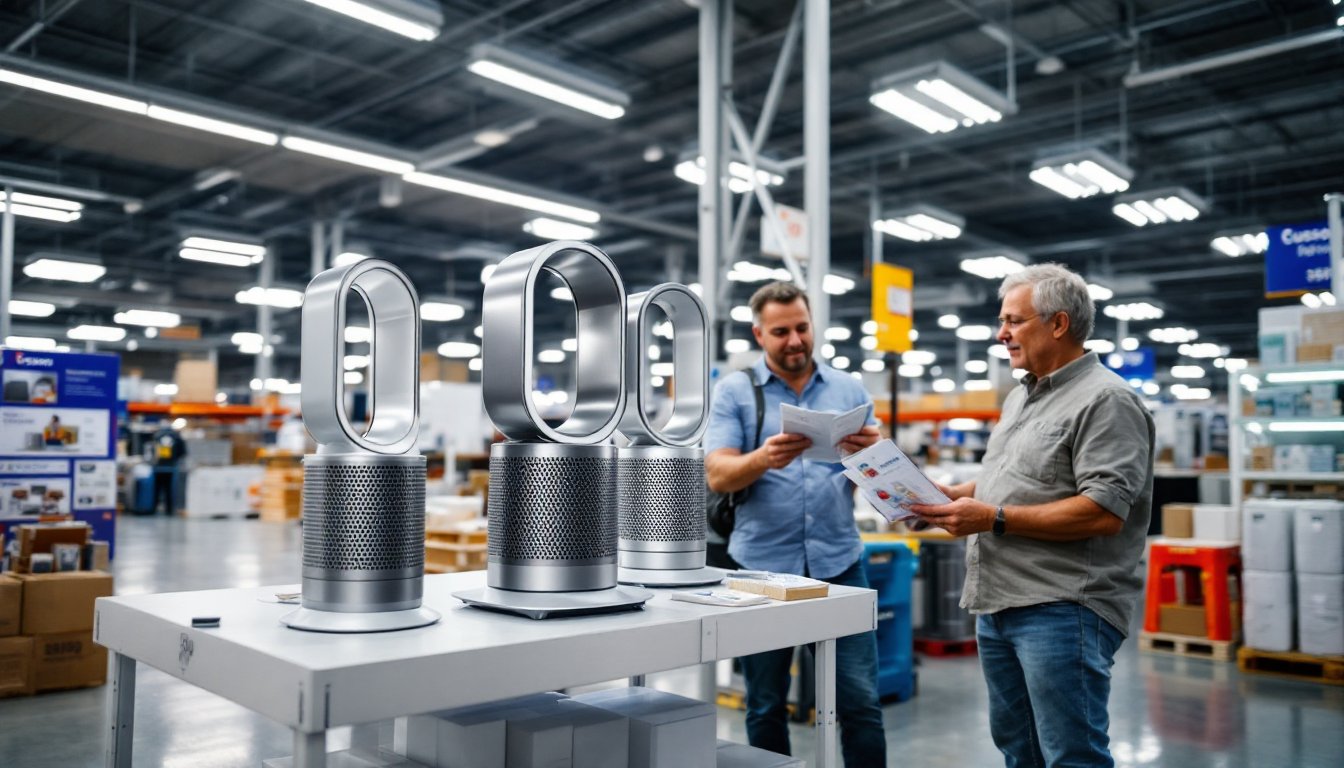
Costco typically stocks 2 to 4 models at any given time, depending on season and regional demand. Check with your local warehouse or the Costco website to confirm current availability before making the trip. Inventory can vary significantly between locations.
Costco Pricing and Member Benefits
Dyson air purifiers at Costco generally run $300 to $650, depending on the model and filtration features. These prices sit about 10–20% lower than direct Dyson retailer pricing, making Costco a genuinely better deal. The Purifier Cool typically starts around $350–$400, while the Purifier Hot+Cool can reach $550–$600.
What makes Costco particularly valuable isn’t just the discount, it’s the 120-day return window. Unlike buying directly from Dyson or Amazon, you have over four months to test the unit in your home and return it hassle-free if it doesn’t perform as expected. For a high-ticket appliance, that peace of mind is significant.
Costco members also occasionally see warehouse-exclusive bundle deals pairing a purifier with filters or complementary appliances. Sign up for email alerts through the Costco app or website to catch these promotions, they’re often limited-time and vary by location.
If you’re not a member, a Costco Gold Star membership costs about $65 per year, while Executive membership runs $130. For a single air purifier purchase, membership might break even or come close, especially if you combine it with other warehouse shopping.
Key Features to Consider Before Buying
Before committing to a Dyson purifier, understand what features actually matter for your situation. Room coverage is the primary spec: all Dyson purifiers list their effective range in square feet. If your bedroom is 300 square feet, a unit rated for 600 square feet will cycle the air more efficiently than a smaller model. Don’t assume a larger purifier is always better, oversizing means overkill and wasted energy.
The Air Quality Index (AQI) display on many Dyson models shows real-time pollution levels, which helps you understand whether the purifier is actually working. Some users find this feedback reassuring: others consider it a nice-to-have. If you have asthma or severe allergies, that real-time data can guide when to boost the fan speed.
Noise level matters if you’re placing the unit in a bedroom or office. Dyson purifiers are quieter than most competitors in the same price range, but the loudest models still reach 60 decibels on high speed. Check product reviews or visit a Costco showroom to hear one running before purchase.
Filtration stages beyond basic HEPA vary by model. Activated carbon handles odors, cryptomelane targets formaldehyde, and UV-C neutralizes microorganisms. If pet odor or tobacco smoke is your main concern, prioritize the carbon layer. If you’re sensitive to chemicals from new furniture, the cryptomelane filter is worth the upgrade.
Finally, consider filter replacement costs and frequency. Dyson filters last roughly 12 months under normal use, and replacements run $70–$150 depending on the filter type. That’s an ongoing annual expense, so factor it into your total cost of ownership.
Maintenance and Long-Term Costs
Owning a Dyson purifier isn’t a set-it-and-forget-it situation. The units themselves are durable, Dyson offers a 2-year limited warranty covering defects, but the filters require regular attention to maintain performance.
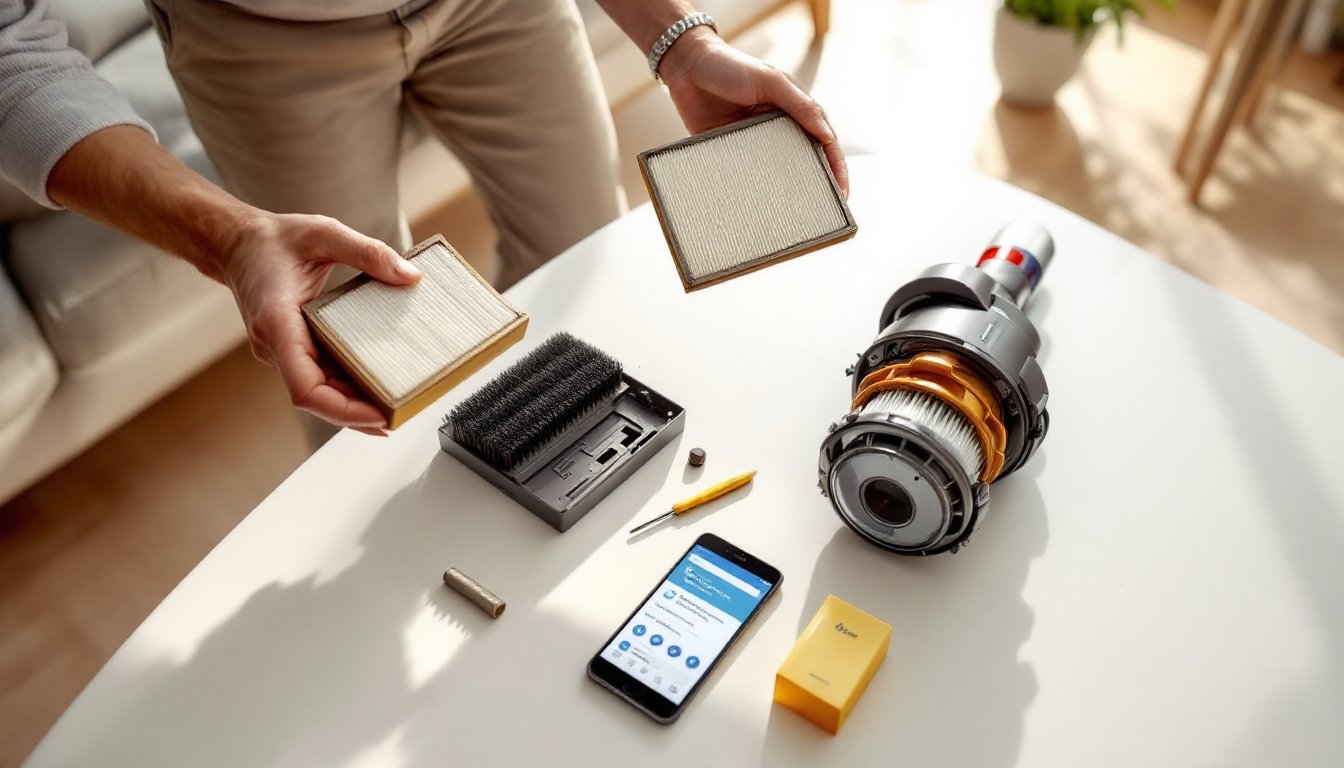
Filter replacement every 12 months is standard, though homes with pets, smokers, or high dust exposure might need changes every 6–9 months. You’ll notice decreased airflow and a less responsive AQI display when filters are nearing the end. Setting a phone reminder when you change filters helps prevent missed schedules.
Costco occasionally discounts filter bundles, so stock up when promotions run. Buying filters ahead of time is smarter than emergency purchases at full retail price. Dyson also offers an optional filter auto-delivery subscription through their website, which guarantees replacement filters arrive on schedule, convenient if you’re the forgetful type.
Regular cleaning extends filter lifespan slightly. Dyson recommends vacuuming the pre-filter gently with a brush attachment every two weeks to remove dust and hair buildup. The main filters aren’t washable (water damages the HEPA material), so the pre-filter maintenance is your only hands-on task.
For professional reviews and detailed specifications, resources like Tom’s Guide’s Dyson purifier analysis break down long-term performance data and noise testing. Good Housekeeping’s air purifier roundup also compares Dyson models against competitors, helping you evaluate whether the price premium is justified for your needs.
Conclusion
Dyson air purifiers at Costco offer solid performance at a fair price, especially when you factor in the extended return policy and member discounts. The real question isn’t whether Dyson makes good purifiers, they do, but whether the model and features match your specific situation and budget. Start by identifying your room size, primary air quality concern, and whether multi-function capabilities (heating, cooling) add value to your home. Then visit a Costco or check their website to confirm availability before deciding. A $400 purifier that runs for five years is a better investment than a $150 unit you’ll replace twice.