Table of Contents
ToggleMost homeowners face the same kitchen conundrum: how do you store fresh groceries and frozen food without sacrificing counter or floor space? Enter the freezer refrigerator combo, a single appliance that handles both jobs. Unlike separate units, a combo refrigerator frees up space, simplifies your kitchen layout, and reduces energy consumption. Whether you’re renovating a tight galley kitchen or replacing an aging appliance, understanding your combo options makes the difference between a smart investment and a costly regret. This guide walks you through configurations, features, and what to actually look for when shopping.
Key Takeaways
- A freezer refrigerator combo saves space and reduces energy consumption by using a single cooling system instead of two separate appliances, helping homeowners cut utility costs by $100–150 annually.
- Top-freezer models are the most affordable starting around $600–$900, while bottom-freezer and side-by-side options offer better ergonomics at higher price points ($1,200–$3,500).
- Frost-free (automatic defrost) combos offer convenience with minimal maintenance, though manual-defrost models are cheaper upfront and better preserve frozen food quality.
- ENERGY STAR certified refrigerator-freezer units use at least 15% less energy than standard models and recoup their $200–$400 premium through lower electric bills over 10–15 years.
- Accurate space measurements, proper airflow clearance (2–3 inches on sides and back), and planning for installation costs ($100–$300) are essential to avoid costly mistakes.
- Skip premium features like built-in ice makers and WiFi integration unless you’ll actually use them regularly—basic to mid-range combos ($600–$1,800) deliver the best reliability-to-cost ratio.
What Is A Freezer Refrigerator Combo?
A freezer refrigerator combo, sometimes called a refrigerator-freezer or combo unit, is a single appliance that combines chilled storage and frozen storage in one cabinet. The fridge section runs between 35°F and 40°F for perishable items like dairy, meat, and vegetables. The freezer compartment stays at 0°F or below to preserve food long-term. Think of it as the standard setup you’ve probably used your whole life, just marketed more explicitly as a “combo” to distinguish it from standalone chest freezers, upright freezers, or true refrigerators without significant freezer space.
The key difference from buying separate fridge and freezer units is space efficiency and energy cost. Two appliances mean two compressors running, two sets of gaskets, and more floor or wall footprint. A combo unit uses a single cooling system with dividers to manage temperatures in separate zones, cutting down on energy use and clutter. Most combo fridges split their interior space into a refrigerator section (typically 65–75% of capacity) and a freezer section (25–35% of capacity).
Key Benefits of Combination Units
Space efficiency tops the list. A single combo unit occupies one footprint instead of two, which matters whether you live in a 800-square-foot apartment or a house with limited kitchen real estate. You get refrigeration and freezing without doubling your appliance footprint or managing the gap between two units.
Energy consumption is another real win. One compressor system running one cooling cycle uses less electricity than two separate units. Over a year, the savings aren’t huge, maybe $100–150 depending on your utility rates and the specific models, but it adds up and reduces your household carbon footprint.
Convenience and organization also deserve mention. Everything you need is in one place. No running to the garage freezer during meal prep, no hunting through a separate unit for that frozen vegetable bag. Most combo fridges come with adjustable shelving, dedicated crisper drawers, and organized freezer compartments, so you can tailor storage to your lifestyle.
Finally, combo units are the standard for most homes. Building codes, kitchen layouts, and appliance dimensions all assume a single refrigerator-freezer. Replacing an existing combo is straightforward, same cutout, same hookups, minimal renovation headaches.
Types and Configurations to Consider
Top-Freezer Models
Top-freezer combos are the classic configuration and often the most affordable. The freezer sits above eye level (typically 12–18 inches tall), and the refrigerator section takes up the lower two-thirds of the cabinet. This layout works for most households and fits standard kitchen openings without fuss.
The downside? You’re bending to reach fresh groceries, which you’ll do multiple times a day. The freezer sits at a convenient height, but freezer space is typically tighter than the fridge section. Models range from 18 cubic feet to 28 cubic feet total capacity. Prices start around $600–$900 for basic manual-defrost models from brands like Whirlpool and GE, climbing to $1,500–$2,000 for units with ice makers, water dispensers, or smart features.
Bottom-Freezer and Side-by-Side Options
Bottom-freezer combos flip the layout: the refrigerator runs from eye level to waist height, and the freezer lives below in a deep drawer. This ergonomic design puts fresh groceries at an easy-access height, which most cooks prefer. You’ll still need to bend for the freezer, but less frequently. Total capacity often matches top-freezers (20–28 cubic feet), but the drawer freezer can feel cramped for bulk items. Prices typically run $1,200–$2,500.
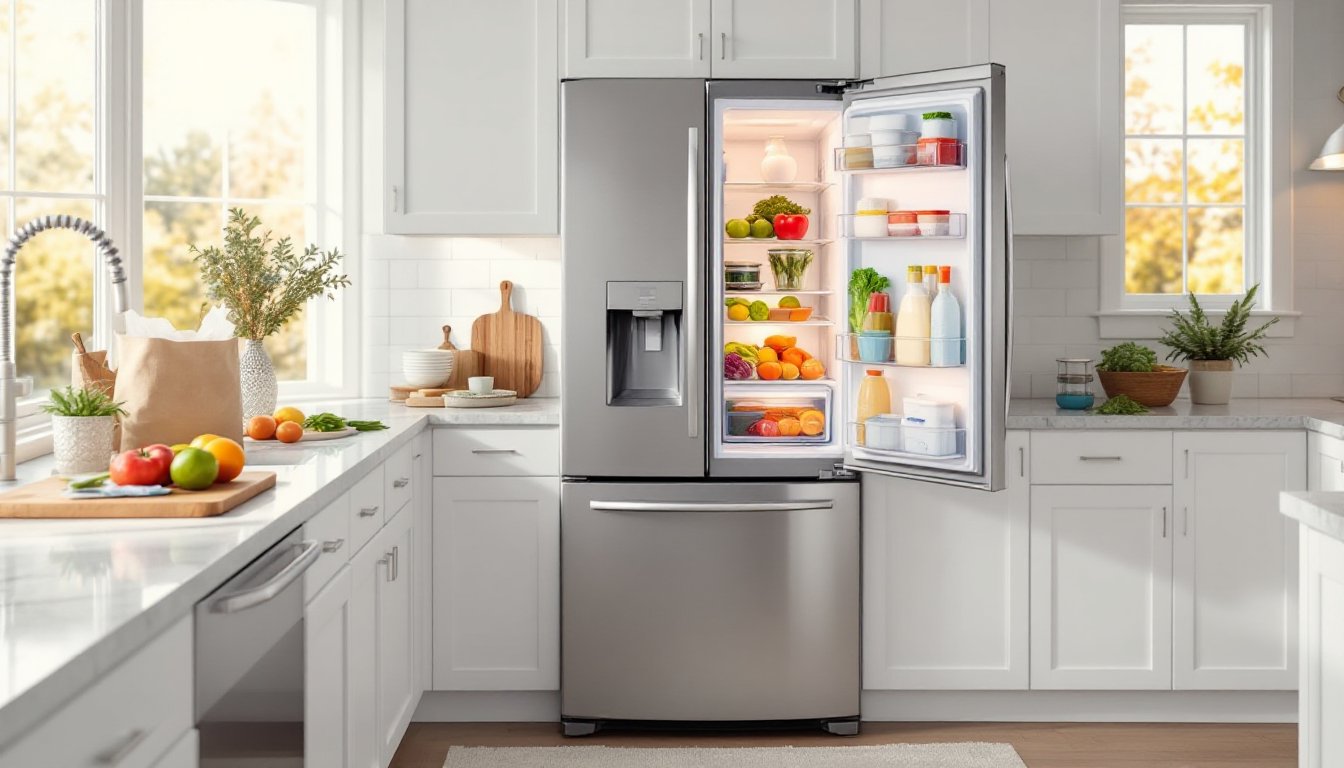
Side-by-side models split the cabinet vertically, with the fridge on one side and freezer on the other, both running floor to ceiling. Both sections are at convenient heights, and you get equal visual real estate. But, each compartment is narrower, which can complicate storing large platters or pizza boxes. Side-by-sides consume more energy and tend to cost $1,500–$3,500. According to professional kitchen design reviews, side-by-sides suit open-concept homes where both occupants want easy access, but they sacrifice interior width.
Essential Features and Specifications
Interior Layout and Capacity matter more than you’d think. A 22-cubic-foot refrigerator isn’t the same as another 22-cubic-foot unit if one has a deep freezer drawer and the other has a shallow top compartment. Check the actual dimensions of shelves, the crisper drawer sizes, and freezer configuration. If you buy bulk groceries or cook in batches, freezer space becomes critical, measure what you actually store (bags of vegetables, ice cream, meal-prep containers) and confirm the unit fits your workflow.
Defrost Type affects maintenance. Automatic (frost-free) models have a heating element that periodically melts frost buildup, draining it away. No manual defrosting, but they use slightly more energy and can dry out frozen foods over time. Manual-defrost models require you to drain and scrape ice a few times a year, but they’re cheaper upfront and tend to preserve frozen food better. Most modern homes go frost-free for convenience.
Energy Rating is printed on the EnergyGuide label. Look for the ENERGY STAR certification, these units use at least 15% less energy than federal standards require. An ENERGY STAR combo might cost $200–$400 more upfront but pays back in lower electric bills over 10–15 years.
Shelving and Organization options vary widely. Adjustable glass or wire shelves let you reconfigure as needs change. Dedicated humidity-controlled crisper drawers keep vegetables fresher longer. Some units have convertible drawers that flip between fridge and freezer temperatures, handy for seasonal storage needs.
Ice and Water Dispensers add convenience but complexity. They require a water line connection (a plumber’s job, typically $150–$300 if not already in place). Built-in ice makers cost more upfront, consume extra water and energy, and can fail, requiring expensive repairs. If you don’t regularly use ice, a manual ice tray works fine and eliminates a failure point.
Research from leading appliance testing labs shows that mid-range models with adjustable shelves and frost-free operation deliver the best reliability-to-cost ratio for most homeowners.
Budgeting and Installation Tips
Setting a Budget starts with your actual needs, not marketing hype. Basic top-freezer units run $600–$1,000 and handle daily fridge-freezer duty reliably. Mid-range models ($1,200–$1,800) add quality features like frost-free operation, better shelving, and ice makers. Premium side-by-sides or bottom-freezers ($2,000+) justify their cost if you cook heavily, need specific dimensions, or want smart-home integration. Don’t overspend on features you won’t use, that built-in WiFi isn’t worth $500 if you never check your fridge from work.
Measuring Your Space is non-negotiable. Refrigerators come in standard widths (28–36 inches), but depth varies, some stick out 32 inches or more. Measure your opening clearance, account for door swing space, and check that cabinet handles or trim won’t block the door from opening fully. Nominal lumber sizes and appliance clearances follow building codes: ensure at least 2–3 inches of clearance on sides and back for airflow. This prevents the compressor from overheating and keeps energy efficiency up.
Delivery and Installation often cost extra (typically $100–$300). Most big-box retailers offer delivery, but confirm they remove your old unit (disposal fees may apply). If you’re adding a water line for an ice maker, hire a licensed plumber, $150–$300 for a simple run, rather than DIY-ing it unless you’re already comfortable with water lines. Gas-line hookups require a licensed technician in most jurisdictions: don’t attempt those yourself.
Permits are rarely needed for a simple refrigerator swap, but check your local building department if the appliance is part of a larger renovation. Some municipalities require permits for kitchen work that touches gas, electrical, or water lines.
Prep Work before the new unit arrives: clear your kitchen, clean out and defrost the old fridge, and ensure the new one has a clear path to the opening. Have your old appliance recycled or donated, most retailers handle this for a fee, and some manufacturers offer rebates for trading in old units. A clean space, accurate measurements, and realistic expectations about delivery timelines save headaches on day one.