Table of Contents
ToggleIf you’ve noticed white buildup on your faucets, dull laundry, or soap that won’t lather properly, you likely have hard water. A water softener removes minerals like calcium and magnesium that cause these headaches. Hellenbrand water softeners are manufactured by a Wisconsin-based company with decades of water treatment experience, and they’re worth considering if you’re ready to tackle hard water. This review walks through what Hellenbrand systems actually do, which models make sense for different homes, what installation and upkeep look like, and how they stack up against competitors. Whether you’re a DIY-leaning homeowner or just tired of hard water frustration, this guide will help you decide if a Hellenbrand system fits your needs and budget.
Key Takeaways
- Hellenbrand water softeners use ion exchange technology to remove calcium and magnesium minerals, reducing soap scum, hard water deposits, and extending appliance lifespan by 15–20 years.
- Models like the CT and UltraTrol lines offer demand-initiated regeneration with smart metering, meaning the system only regenerates when needed to save salt and water.
- Professional installation costs $500–$1,500 and requires nearby electrical access, dedicated brine tank space, and drainage; DIY installation is possible but risky without plumbing experience.
- A complete Hellenbrand water softener system costs $2,000–$4,000 installed, with ongoing maintenance limited to monthly salt refills and annual inspections.
- Compared to competitors like Culligan and Kinetico, Hellenbrand offers competitive mid-range pricing, reliable performance, and no mandatory service contracts, making it an excellent value option for homeowners with hard water above 10–15 grains per gallon.
What Is a Hellenbrand Water Softener and How Does It Work?
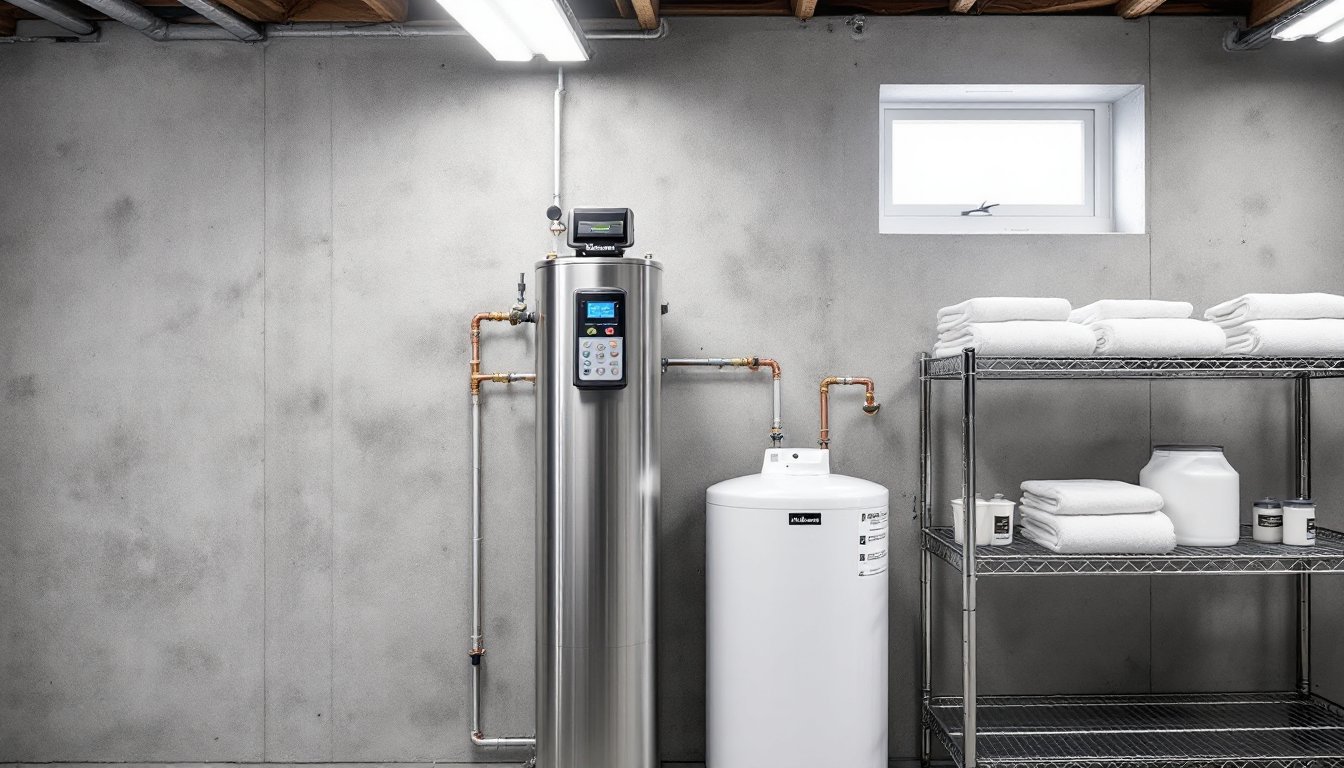
A Hellenbrand water softener uses ion exchange, a straightforward chemical process, to strip hard water of calcium and magnesium ions. Water enters the tank, flows through resin beads, and those beads grab mineral ions and swap them for sodium ions. Softer water exits the tap: the minerals stay trapped in the resin until it’s saturated. At that point, the system triggers a regeneration cycle, flushing brine solution (salt dissolved in water) through the resin to clean it and restore its softening ability. This cycle typically happens every few days to a week, depending on water hardness and household usage.
The process is quiet, automatic, and doesn’t require daily babysitting. Hellenbrand systems are designed to run for years with minimal intervention, just occasional salt top-offs and annual tank inspections. Most models come with digital controls that learn your household’s water use patterns, regenerating only when needed to reduce waste and save on salt. If you live in an area where water hardness exceeds 10-15 grains per gallon (a common threshold), a softener like Hellenbrand’s becomes noticeably useful, not just nice-to-have.
Key Features and Models to Consider
Hellenbrand offers several product lines tailored to different household sizes and water quality challenges. Their systems range from compact units suitable for apartments or small homes to high-capacity models for larger families or commercial use. Most feature demand-initiated regeneration (DIR), meaning the system only regenerates when the resin is actually exhausted, not on a fixed schedule. This saves salt and water compared to older timer-based softeners.
Look for models with smart metering technology, which tracks real-time water softness and adjusts regeneration accordingly. Hellenbrand’s displays typically show salt levels, regeneration schedules, and water quality readouts, so you’re never guessing about system status. Tank size ranges from 24,000 to 80,000 grains of hardness capacity per cycle, higher capacity means longer stretches between regeneration and is better for families of four or more. Installation footprint matters too: if your utility or basement space is tight, confirm the model’s dimensions before ordering.
Popular Hellenbrand Product Lines
The CT water softener line is a popular mid-range option, with straightforward controls and reliable performance for moderate to hard water. The UltraTrol series adds more advanced monitoring and efficiency features, appealing to homeowners who want set-it-and-forget-it operation with minimal oversight. Hellenbrand also makes reverse osmosis and drinking water systems that pair well with softeners if you want extra filtration beyond softening. Recent Hellenbrand water softener reviews detail model comparisons and actual user experiences that can help narrow your choice based on your hardness level and household size.
Installation and Maintenance Requirements
Installing a water softener isn’t a quick weekend project for most homeowners. The system sits between your main water supply and the rest of your home, so improper hookup can lead to bypassed softening, pressure loss, or damage to fixtures. If you’re comfortable working with plumbing rough-ins, you can DIY it: otherwise, hire a licensed plumber familiar with water softener installation. Costs run $500–$1,500 for professional installation, depending on your home’s plumbing layout and whether you need new supply lines or valve modifications.
You’ll need a dedicated electrical outlet nearby (most Hellenbrand units draw minimal power, under 100 watts), space for the brine tank (usually 18–24 inches wide), and drainage access for the regeneration discharge. Some municipalities require a permit or inspection for water treatment equipment, so check with your local building department before starting. Once installed, maintenance is straightforward: top off the brine tank with food-grade salt pellets every 4–8 weeks depending on your water hardness and usage. Don’t skip this step, running out of salt defeats the system’s purpose. Annual inspections of the resin tank and inlet valves catch early signs of wear or sediment accumulation.
If your water supply contains high levels of sediment or iron, ask your installer whether you need a separate sediment filter or iron removal system upstream of the softener. These protect the resin from premature fouling and extend the softener’s lifespan to 15–20 years. Using the wrong salt type or failing to regenerate properly can damage the resin and cost $1,000+ to replace.
Pros and Cons for Homeowners
Pros:
Hellenbrand systems deliver measurable water quality improvements. Soft water means less soap scum, softer skin and hair after showers, longer-lasting water heaters and appliances, and cleaner laundry with fewer detergent stains. Hard water deposits clog showerheads and faucet aerators: softening eliminates that maintenance headache. Hellenbrand’s reputation for durability means you’re likely looking at 15–20 years of service, which spreads the upfront cost ($2,000–$4,000 for a complete installed system) over a long payback period. Their customer support is solid, and parts are widely available from plumbers and supply houses.
Cons:
Softeners use salt (and water) during regeneration, which isn’t ideal if you’re in a drought-prone area or have restrictions on salt discharge. Some households object to sodium in their water, though the amount added by softening is usually modest. Monthly salt refills become routine maintenance you can’t skip. If your water contains very high iron or other contaminants beyond hardness, a softener alone won’t fully address it, you may need additional filtration. Customer reviews on Hellenbrand Water Central highlight occasional control panel issues or brine tank leaks, so inspect any system carefully before accepting installation.
How Hellenbrand Compares to Other Water Softener Brands
Hellenbrand competes with established brands like Culligan, Kinetico, and Water-Right. Culligan is the largest water softener provider in North America and offers more dealer locations, which is convenient for service. But, Culligan’s monthly rental models can cost more over time than outright purchases. Kinetico systems are metering-based and don’t require electricity, appealing to those seeking low-energy operation, but they cost more upfront and are less common in some regions.
Hellenbrand’s sweet spot is reliability and mid-range pricing. Their systems are often comparable in price to Culligan’s purchase options and less expensive than Kinetico, while offering competitive efficiency and controls. Unlike some mass-market brands, Hellenbrand doesn’t push expensive monthly service contracts: you can maintain it yourself with minimal training. Industry publications and testing labs, including Good Housekeeping’s home appliance reviews, regularly recommend softeners based on capacity, efficiency, and warranty, Hellenbrand models consistently rank well in these categories. If you’re shopping, request quotes from a few installers: prices and service terms vary, and the best deal often depends on local availability and your installer’s familiarity with the brand.
Conclusion
Hellenbrand water softeners are a solid, practical choice for homeowners tired of hard water damage and maintenance. They perform reliably, require minimal hands-on work once installed, and are backed by a company with genuine water treatment expertise. Budget $2,000–$4,000 for a complete system installed, commit to monthly salt refills, and you’ll likely enjoy 15+ years of soft water. The decision eventually depends on your local water hardness, budget, and whether professional installation makes sense for your plumbing. If you’ve confirmed you have hard water (ask your water utility for a hardness report), a Hellenbrand system is worth serious consideration.