Table of Contents
ToggleFlorida’s hot, humid climate and hurricane season make smart home technology more than just a luxury, it’s a practical investment. Between managing extreme heat and unexpected storms, homeowners here face unique challenges that connected devices can tackle head-on. Smart home automation in Florida isn’t about flashy gadgets: it’s about protecting your property, reducing energy waste, and gaining peace of mind when you’re away during storm season. This guide walks you through the best smart systems for Florida homes, why they matter for your specific climate, and how to set them up without overwhelming yourself.
Key Takeaways
- Smart home technology in Florida addresses unique climate challenges like extreme heat, humidity, and hurricane season, making it a practical investment rather than a luxury.
- Smart thermostats and humidity sensors automatically manage Florida’s subtropical climate to reduce energy costs and prevent costly mold damage and HVAC strain.
- Hurricane preparedness is strengthened through automated shutters, smart locks, garage door sensors, and water leak detectors that protect your property during storm season.
- A smart home setup should prioritize reliable WiFi coverage and devices on the same platform to ensure critical systems function even during power outages.
- Start with high-impact devices like smart thermostats, leak detectors, and cameras, then test your entire system before hurricane season to avoid emergencies.
- Remote monitoring through smart home cameras, door locks, and water sensors provides peace of mind and security when you’re away during evacuation orders or traveling.
Why Smart Homes Are Perfect for Florida’s Climate
Florida’s subtropical and tropical climate demands constant attention to temperature, humidity, and extreme weather. Smart thermostats sense when your AC is working overtime and adjust automatically, slashing energy bills during brutal summer months. Humidity isn’t just uncomfortable, it damages drywall, promotes mold growth, and strains HVAC systems. Smart humidity sensors alert you when moisture creeps too high, letting you address problems before they become expensive repairs.
Hurricane preparedness is where smart homes truly shine for Florida residents. Automated shutters close at storm warnings, smart garage doors verify closure during evacuation, and connected water sensors catch leaks from roof damage. Many Floridians install smart systems as storm season approaches, but having them running year-round means you’re never caught unprepared. The ability to monitor your home remotely, checking cameras, door locks, and water sensors, provides genuine security when you’re away during evacuation orders or traveling.
Energy efficiency also matters differently in Florida. Your cooling costs dwarf heating costs, and smart systems learn your patterns, pre-cooling before peak afternoon heat. Smart lighting reduces phantom loads (devices drawing power while “off”), and connected outlets let you cut power to rarely-used devices. Over time, these adjustments add up to noticeable savings on electric bills.
Essential Smart Home Systems for Florida Homeowners
Climate Control and Humidity Management
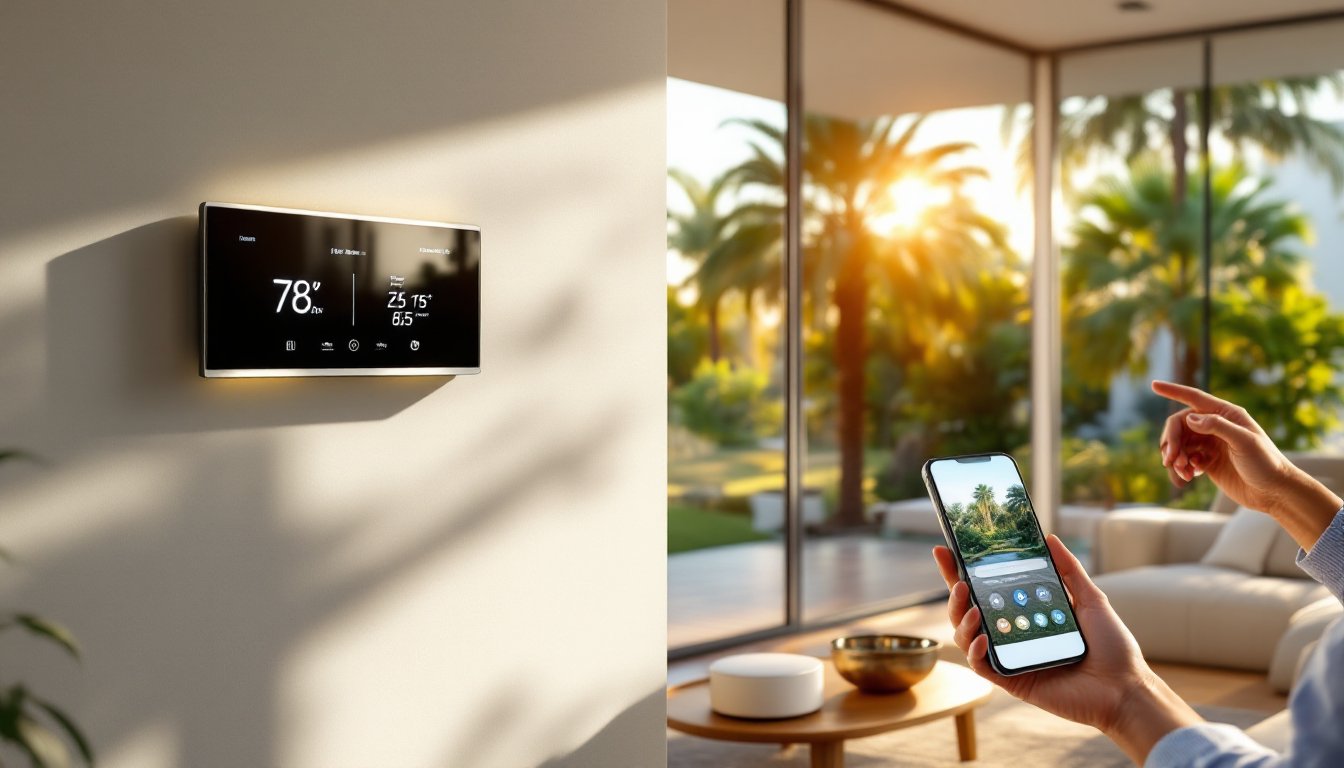
A smart thermostat is the anchor point for Florida climate control. Models like Ecobee, Nest, and Honeywell Home offer remote temperature adjustment, scheduling, and alerts if your system fails. They pair with smart vents that direct cool air where you need it, preventing wasted output in empty rooms. Install vents in living areas during summer and shift them as usage patterns change seasonally.
Humidity sensors work alongside your thermostat or run independently. They trigger dehumidifiers, exhaust fans, or alerts when indoor moisture exceeds safe levels (typically 50-60% relative humidity in Florida). Paired with smart switches, you can automate fan runtime in bathrooms and kitchens after showers or cooking. This prevents moisture from lingering and causing mold problems in corners and crawlspaces.
Smart water leak detectors go beyond climate, they catch burst pipes, AC condensation overflow, and roof leaks from heavy rain or storm damage. Place them under sinks, near the water heater, in crawlspaces, and around HVAC drain pans. When triggered, they send immediate notifications so you can address the problem before water damage spreads. Battery-powered models keep working even if your internet goes down during storms.
Hurricane and Storm Preparedness
Automated smart shutters and storm panels close at preset wind speeds or manual command, protecting windows before you evacuate. Motorized versions let you close everything from your phone or set schedules for peak storm season. Manual backup options ensure they function during power outages. Some homeowners pair shutters with pressure sensors that prevent opening them if wind gusts are still dangerous.
Smart door locks let you lock and unlock doors remotely, verify they’re secure before you leave town, and give temporary access codes to family or repair crews. Look for models with battery backup and mechanical key overrides, smart locks fail without power, but good ones keep working through emergency situations. Pairing locks with door sensors confirms whether doors actually closed, catching blown doors during storms that might have slipped unnoticed.
Smart garage doors integrate with security systems and verify they’re fully closed before severe weather hits. A garage door left slightly open during hurricane-force winds can trigger catastrophic pressure changes that damage the entire structure. Smart sensors prevent “I thought I closed it” disasters.
Camera systems with battery backup or solar charging keep running during power outages, recording evidence of storm damage for insurance claims. Cloud storage ensures footage stays safe even if your home router goes offline. Pair cameras with motion-activated lighting so you can see activity on your property in real-time, whether you’re across town or out of state.
Top Smart Home Devices to Install in Your Florida Home
Start with a smart hub or voice assistant (Amazon Alexa, Google Home, Apple HomePod) that serves as the command center for all connected devices. It’s your entry point to automation, controlling lights, temperature, locks, and cameras from one place. Most hubs work even if individual devices lose connection, using local processing to keep critical systems running.
Smart lighting reduces heat gain compared to traditional bulbs. Smart LEDs produce far less heat than incandescent alternatives, directly lowering AC strain. Motion sensors in hallways and bathrooms prevent lights running when rooms are empty. In outdoor spaces, smart landscape lighting ties to your security system, activating when doors open or motion is detected, deterring intruders and eliminating the need for you to manually flip switches.
Smart plugs retrofit existing appliances into your system without replacing them. Plug in a box fan, dehumidifier, or pool pump, then schedule or control them remotely. They also display real-time power consumption, helping you spot energy vampires (that rarely-used mini-fridge in the garage, for example).
Environmental sensors track temperature, humidity, air quality, and light levels throughout your home. They feed data to your hub, triggering automations, if humidity rises above 65%, activate the bathroom exhaust fan and dehumidifier automatically. Sensors in bedrooms prevent cooling costs by shifting air to occupied spaces while you sleep.
Practical smart home tech examples show how devices work together to solve real problems, not just perform flashy tricks. A well-designed Florida system keeps your home efficient, protected, and accessible no matter where you are.
Getting Started: Setup and Integration Tips
Begin by mapping which systems matter most for your home and priorities. Hurricane preparedness? Start with shutters, smart locks, and cameras. Energy efficiency? Lead with a smart thermostat and humidity sensors. Don’t buy a dozen devices hoping they’ll talk to each other, pick devices that share the same platform (Alexa, Google, or Apple), or use a hub that bridges different brands.
Wifi reliability is non-negotiable in Florida. Summer storms and heat can strain home networks. Invest in a mesh wifi system that covers your entire house with strong signal, including outdoor areas where cameras and smart shutters live. Position the main router away from electronics that generate interference (microwaves, cordless phones). Many smart home failures trace back to weak wifi, not faulty devices.
When installing sensors and cameras, think about placement for both function and real-world conditions. Humidity sensors in corners and crawlspaces catch mold before living areas. Door sensors on all exterior entry points catch forced entry attempts. Cameras need clear sightlines and shade to avoid glare from afternoon sun reflection off windows. In Florida’s salty air, especially near coastal properties, choose outdoor-rated equipment with corrosion-resistant mounting hardware.
Test your system in advance of storm season, not during hurricane watches. Verify automations work, understand backup power options, and practice manual overrides. Most smart devices offer local control options if internet fails, but you need to know how to use them. Some devices support battery backup: others rely on a powered hub. Understanding these distinctions prevents being locked out during emergencies.
Integration across smart home tech strategies ensures devices work together smoothly rather than in isolated silos. Proper setup transforms disparate gadgets into a cohesive system that actually simplifies your life instead of adding complexity.
Conclusion
Smart home technology for Florida addresses climate realities that other regions ignore. From humidity management and energy efficiency to hurricane preparedness and remote property monitoring, connected systems deliver practical value. Start small with high-impact devices, prioritize reliability over gadget count, and test everything before storm season hits. A well-installed smart home in Florida doesn’t just make life easier, it protects your investment and gives you genuine peace of mind when you’re away.