Table of Contents
ToggleIf you’re dealing with dust, pet dander, or seasonal allergies at home, an air purifier can make a real difference in your indoor air quality. The Fulminare air purifier has gained attention among homeowners looking for a practical, effective solution without the premium price tag of marquee brands. This guide walks you through what the Fulminare actually delivers, how it stacks up against competitors, and whether it’s the right fit for your home. We’ll cover the specs, setup, and real-world performance so you can make an well-informed choice before bringing one into your space.
Key Takeaways
- The Fulminare air purifier uses three-stage filtration (pre-filter, HEPA, and activated carbon) to remove 99.97% of particles and reduce odors within 20–30 minutes, making it effective for allergy relief and pet dander management.
- At $100–250, the Fulminare air purifier offers exceptional value compared to competitors like Levoit and Coway, trading smart home features for straightforward, affordable air quality improvement.
- The Fulminare operates quietly at 30–55 decibels and uses only 25–40 watts of power, making it ideal for bedroom use and adding minimal cost to your electricity bill.
- Coverage depends on your room size and CADR rating (typically 150–400 square feet per unit), so measuring your space and placing the unit centrally ensures you get advertised performance.
- Maintenance is simple and cost-effective: vacuum the pre-filter every 2–4 weeks and replace main filters every 6–12 months, with proper storage of spare filters extending their lifespan.
- The Fulminare air purifier excels as a practical, no-installation solution for single-room air purification but isn’t suitable for whole-home cleaning or those needing smart home connectivity.
What Is the Fulminare Air Purifier and Who Should Consider It?
The Fulminare air purifier is a mid-range, compact device designed to clean air in residential spaces without requiring professional installation or ongoing service contracts. It uses a combination of mechanical filtration and activated carbon to remove particles, odors, and some volatile organic compounds (VOCs) from your indoor environment. Unlike high-end commercial systems, it’s a standalone unit, just plug it in, set it near the area you want to clean, and it handles the rest.
Who should consider it? Fulminare works well for homeowners dealing with allergies, pet owners managing dander, and anyone trying to freshen up a single room or medium-sized open area. It’s also practical for people renting, no installation, no landlord permission needed. If you’re running a workshop or hobby space with sawdust, paint fumes, or smoke, an air purifier helps protect your lungs during and after projects. But, if you need to clean an entire multi-story house or have severe HVAC issues, you might need a more robust solution or ducted system, possibly requiring professional consultation.
Key Features and Specifications That Set It Apart
Filtration System and Air Quality Performance
The Fulminare uses a three-stage filtration approach. The pre-filter captures large particles like pet hair and dust: the HEPA filter (High-Efficiency Particulate Air) removes 99.97% of particles 0.3 microns and larger, which covers pollen, mold spores, and fine dust: and an activated carbon layer tackles odors and some VOCs. HEPA filtration is an industry standard recognized by the EPA and relevant to allergy relief and air quality testing.
In practice, this means the unit can noticeably reduce odors from cooking, pets, or smoke within 20–30 minutes in a typical bedroom or living room. The air quality improvement depends on your starting point: a dusty workshop will see faster changes than a relatively clean bedroom. One key detail, filters need replacing roughly every 6–12 months depending on usage and air quality. Check the manufacturer’s timeline and keep spare filters on hand to avoid downtime.
Noise Level and Energy Efficiency
Fulminare operates at around 30–55 decibels depending on the speed setting. At the lowest setting, it’s quieter than a refrigerator hum: at highest, comparable to a normal conversation. This matters if you plan to run it in a bedroom at night, you’ll want to use a lower speed to avoid sleep disruption. The motor is designed to run continuously without excessive wear, a practical bonus for always-on use.
Energy consumption is modest, typically 25–40 watts depending on the model and setting. That translates to roughly $0.08 to $0.15 per day if run 24/7 at mid-range settings, a minimal impact on your electric bill. Compare that to running an HVAC system or space heater, and the efficiency is genuinely practical for homeowners watching utility costs.
Coverage Area and Room Size Compatibility
Fulminare units are rated for specific Clean Air Delivery Rate (CADR) values, typically covering rooms between 150 and 400 square feet depending on the model. CADR measures how many cubic feet per minute of clean air the unit delivers, higher numbers mean faster filtration for larger spaces. A smaller model works fine for a bedroom or office: larger variants suit living rooms or open-concept areas.
Here’s the honest part: coverage claims sometimes assume ideal conditions. To get the advertised performance, place the unit centrally in your room with clear airflow around it, not jammed in a corner or behind furniture. If your room is larger than the rated coverage, you’ll still get benefit, but the air turnover will be slower. For a 600-square-foot loft, running one Fulminare unit covers partial cleanup: two units placed strategically do better. Read the specific CADR and coverage for your model before buying, and measure your room, knowing square footage prevents disappointment.
Installation, Setup, and Maintenance for Home Users
Setup takes about five minutes. Unbox the unit, remove any plastic packaging from the filters, plug it in, and turn it on. There’s no ducting, no wall mounting required, no electrical work, just power and placement. Most units have a simple touch panel or remote with speed settings (low, medium, high) and sometimes a timer or filter change indicator.
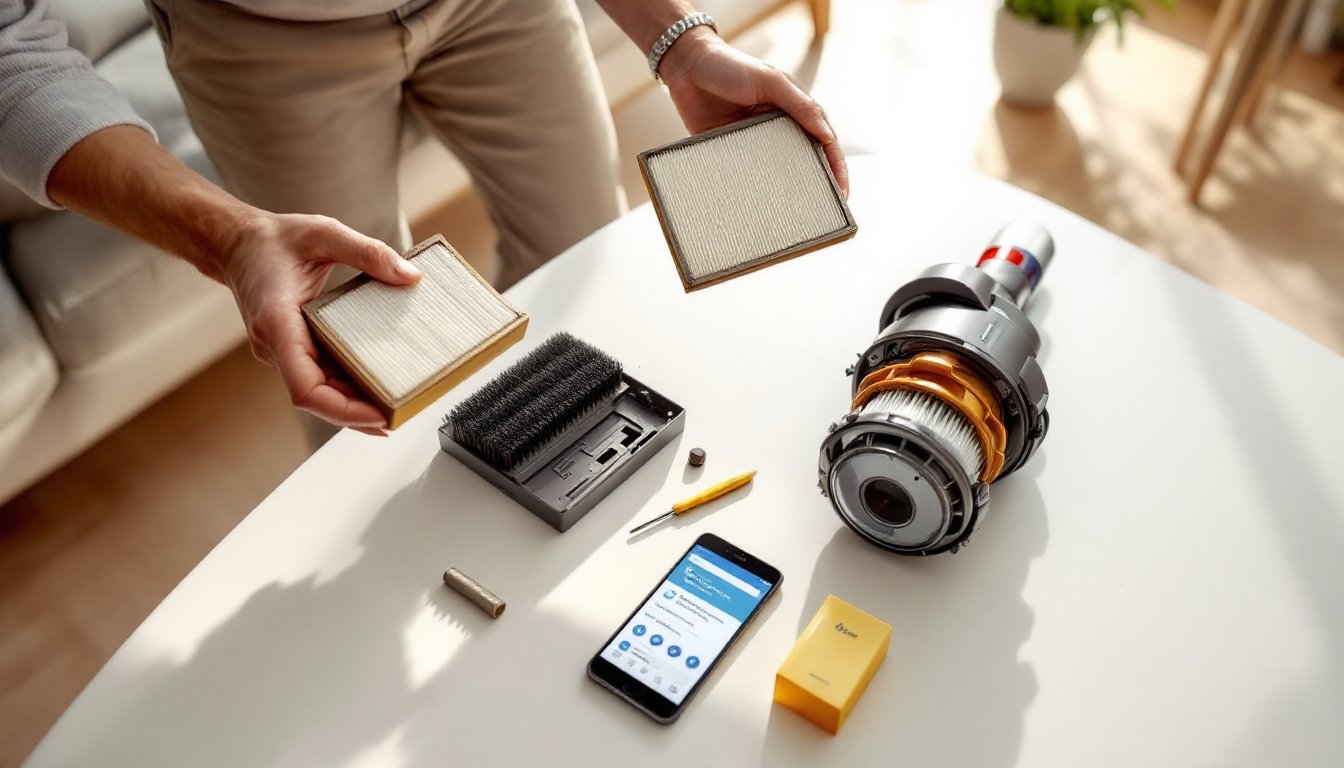
Maintenance is straightforward. The pre-filter can be vacuumed or wiped clean every 2–4 weeks to extend its life. When the HEPA or carbon filter clogs (you’ll notice reduced airflow or weaker performance), replace it according to the manufacturer’s guidance, usually 6–12 months for active use. Keep the intake and exhaust vents clear of dust and obstructions. Check them monthly if you run it daily in a dusty environment like a workshop.
One practical tip: store replacement filters in a dry place. Don’t buy them all at once unless you use the unit heavily: filters degrade over time even unopened. If you’re in a humid climate, consider storing them in a sealed bag with a desiccant packet to prevent mold on the carbon layer. This small step saves money and maintains effectiveness.
How It Compares to Other Popular Air Purifier Brands
In the mid-range segment, Fulminare competes against Levoit, Winix, and Coway units. A key difference: price point. Fulminare typically costs $100–250 depending on model size, undercutting many competitors by 30–40%. That savings comes with trade-offs.
Levoit units often include app connectivity and smart home integration, letting you monitor air quality and adjust settings remotely, useful if you’re tech-forward and value convenience. Winix models emphasize high CADR and larger coverage areas, better for open homes or multiple rooms. Coway units tend toward sleeker design and longer filter life, appealing to people who prioritize aesthetics and maintenance intervals.
Fulminare’s strength is straightforward performance at an accessible price. You get solid HEPA filtration without paying for smart features you might not use. For a homeowner setting up air purification in one or two rooms, CNET’s reviews of air purifiers offer side-by-side performance testing and user feedback across brands if you want to dig deeper. Digital Trends covers smart home technology integration in detail, helpful if connectivity is important to you. If you’re comparing specific models head-to-head, Tom’s Guide has detailed home technology buying guides worth consulting.
The honest take: Fulminare wins on value and simplicity. If you want app control or cutting-edge smart home features, shop elsewhere. If you want effective air cleaning without complexity or premium pricing, Fulminare delivers.
The Bottom Line
The Fulminare air purifier is a practical choice for homeowners tackling dust, allergies, or odors in individual rooms or small to medium spaces. It’s affordable, easy to set up, quiet enough for bedside use, and energy-efficient. Maintenance is simple, swap filters every 6–12 months and keep vents clear. If you need whole-home air cleaning, smart home integration, or coverage for very large spaces, you’ll want to explore other options. But for straightforward air quality improvement in a bedroom, office, or workshop without complexity or premium costs, Fulminare offers solid real-world value.