Table of Contents
ToggleIf you’re wrestling with tight kitchen space or wondering whether a full-size dishwasher is worth it, the Hava countertop dishwasher deserves a serious look. These compact units have become popular with renters, small-home dwellers, and anyone hesitant about plumbing a built-in. But before you clear counter space, it’s worth understanding what a countertop dishwasher can, and can’t, do for your home. This review digs into the Hava’s real-world performance, installation reality, and whether it makes sense for your situation.
Key Takeaways
- The Hava countertop dishwasher is a portable, rental-friendly appliance that connects to your sink faucet in minutes without permanent plumbing, making it ideal for small homes and apartments.
- With a 4–6 place setting capacity and 45–60 minute wash cycles, the Hava works well for one or two people but requires multiple runs for larger households or dinner parties.
- Countertop dishwashers use 3–5 gallons of water per cycle, making them more efficient than hand-washing but not significantly different from full-size machines.
- Installation is straightforward—just clear counter space, connect the inlet hose to your faucet aerator, plug in the power cord, and position the gravity drain hose in your sink.
- Skip the Hava if you have a family of four or more, entertain frequently, have limited counter space, or plan long-term kitchen renovations where a built-in dishwasher would offer better value.
What Is the Hava Countertop Dishwasher?
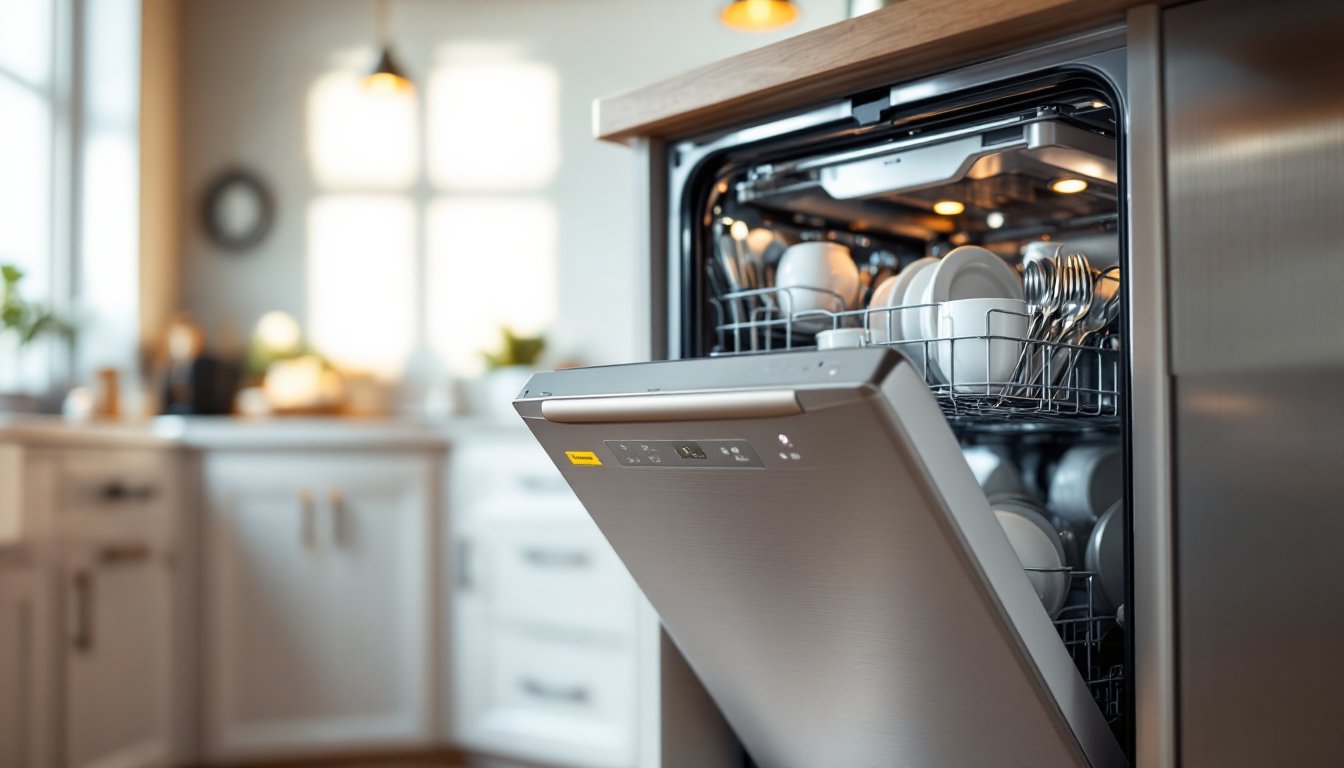
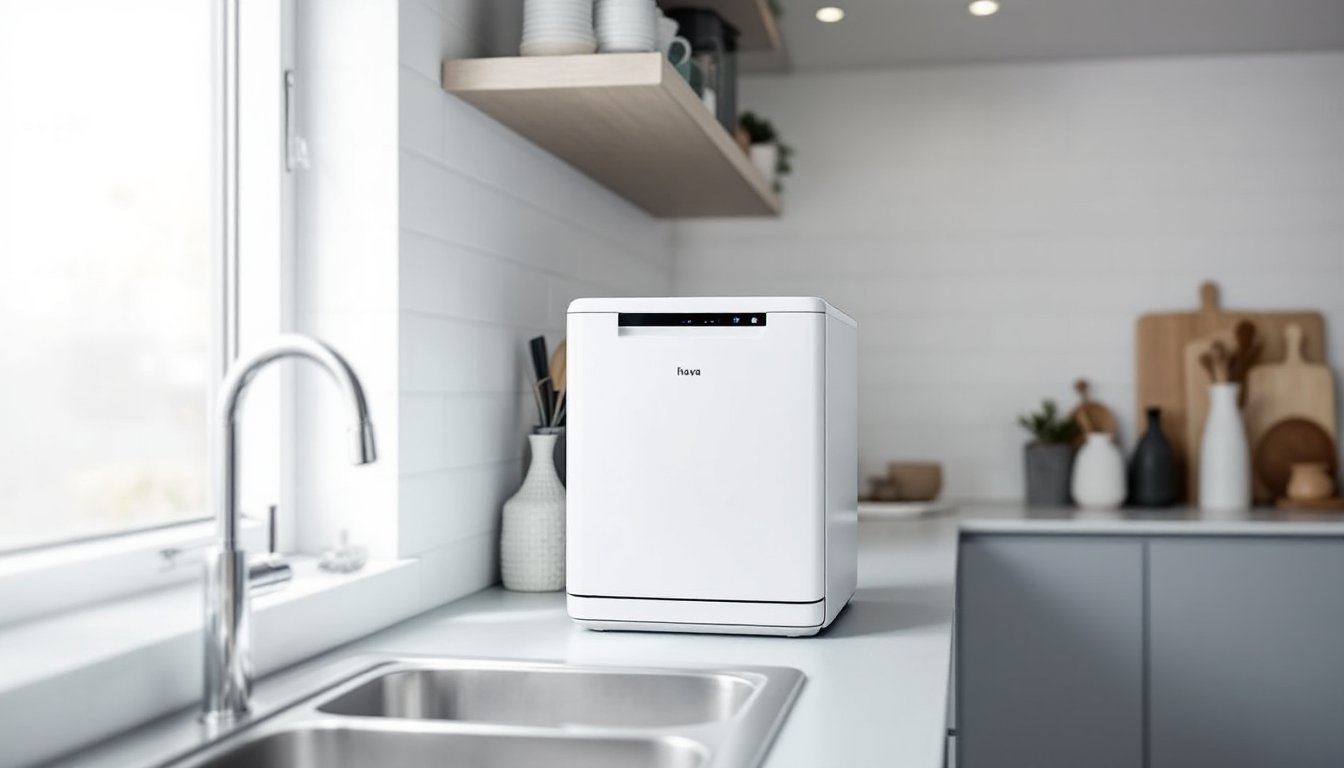
The Hava countertop dishwasher is a compact, portable appliance designed to fit on your kitchen counter without requiring permanent plumbing installation. Unlike a traditional built-in dishwasher, the Hava connects via a hose to your sink faucet or water line, making it an attractive option for apartments, small homes, or kitchens where remodeling isn’t possible.
These units sit in the middle ground between hand-washing and full-size dishwashers. They’re roughly the size of a large microwave (around 22 inches wide and 18 inches deep), so they take up meaningful counter real estate but far less than a standard 24-inch built-in model. The appeal is straightforward: no plumbing expertise needed, no renovation required, and you can take it with you if you move.
Hava models typically hold between 4 and 6 place settings, which works fine for one or two people but won’t handle a dinner party’s worth of dishes. Installation is literally plugging in the power cord and connecting the fill hose, if your sink’s faucet aerator fits the connection, you’re done in five minutes.
Key Features and Specifications
Capacity and Washing Performance
The Hava typically accommodates 4–6 place settings per cycle, meaning a dinner plate, salad plate, bowl, cup, saucer, and utensils per setting. This is adequate for small households but nowhere near the 12–14 place settings of a standard 24-inch dishwasher. If you regularly cook for more than two people or entertain, you’ll find yourself running multiple cycles or hand-washing overflow.
Washing performance depends on spray patterns and water pressure. Hava countertop models use oscillating spray arms (not the rotating design in many full-size machines) to direct water across the rack. In real-world use, this works reasonably well for everyday dishes, dinner plates, bowls, glasses, but heavily baked-on food and deeply nested pots can need a rinse cycle or pre-soak. The wash cycle typically runs 45–60 minutes, which is longer than some users expect from a machine smaller than a toaster oven.
Placement matters: dishes need to be loaded loosely enough for water to reach them, and fragile glassware should go in designated racks to prevent chipping. These aren’t issues unique to Hava, but countertop machines have tighter interiors, so arrangement is more critical.
Water and Energy Efficiency
Countertop dishwashers use roughly 3–5 gallons of water per cycle, compared to 4–6 gallons for full-size machines (and roughly 27 gallons if you hand-wash). This makes them genuinely more efficient than hand-washing but not revolutionary. The actual savings depend on how often you’d hand-wash otherwise, if you’re already using a full-size dishwasher, switching to a countertop model may not save much water.
Energy consumption is modest because these units are smaller and don’t heat water as aggressively as built-in models. Expect around 0.65–0.85 kWh per cycle, which translates to roughly $0.08–$0.12 per wash in most regions. That’s cheaper than heating a sink full of water by hand, but the annual difference (running 4–5 cycles per week) might be $20–$40 compared to hand-washing. Not a game-changer financially, but a nice secondary benefit.
One practical note: you’ll want to check your sink’s hot water supply. Some Hava models connect to cold water only and rely on an internal heating element, while others can tap into your hot line directly. If your kitchen’s hot water is slow to reach the sink, a cold-water connection model might add time to your cycle.
Installation and Setup Process
Setup is genuinely simple, and that’s Hava’s main selling point. Unlike built-in dishwashers, which require cabinetry modifications, new plumbing runs, and sometimes a licensed electrician, a countertop unit asks for almost nothing.
Start by clearing counter space near your sink. You’ll need at least 22 inches of width and depth, plus a few inches behind for the fill hose and power cord. Position the unit on a stable, level surface: a wobbling dishwasher is annoying and can develop leaks.
Next, connect the inlet hose to your faucet. Most models include an adapter that fits standard faucet aerators. Screw it on hand-tight (no pliers needed). If your faucet has a unique setup, a pull-down sprayer, a separate filtered water dispenser, or a non-removable aerator, you may need a different adapter or a workaround. A kitchen faucet replacement isn’t difficult if necessary, but it’s worth checking compatibility before buying.
Plug in the power cord to a standard outlet near your sink. Hava dishwashers use around 1–1.5 amps, so they’ll work on any standard circuit without overloading (unless you’re already running multiple high-draw appliances).
That’s installation. There’s no drain pump in most countertop models: instead, gravity drains the dirty water back into your sink through a separate hose. You’ll need to manually position this drain hose in your sink or run it into a drain fitting you can attach to the sink rim. It’s not pretty, but it works and beats calling a plumber.
Before the first cycle, fill the rinse-aid compartment and check the salt level (if your water is hard). These help prevent spots and improve drying. Load the dishwasher, add detergent, close the door, and select your cycle, most offer quick wash, normal wash, and delicate settings. Run it empty once to flush the system, then you’re good to go.
Pros and Cons for Your Home
When It’s a Great Choice
A Hava countertop dishwasher shines in specific situations. If you rent, it’s a no-brainer: you sidestep the landlord question, install it yourself, and take it with you. If your kitchen is small, a studio apartment, a cottage, or a galley setup, freeing up cabinet space for a built-in dishwasher isn’t realistic, and a countertop unit fills that gap.
They’re also smart for testing whether a dishwasher fits your lifestyle. If you’ve never owned one, a $300–$600 countertop model is a low-risk way to see if you actually use it or if you’re someone who prefers hand-washing. Renters and people in the early stages of home ownership often appreciate this trial period.
For one or two people who generate modest dishwashing volume, a countertop model keeps your counter functional while handling the routine load. You’ll run it 3–4 times a week rather than every other day, and it fits comfortably into small kitchens. If you work from home and value convenience, having dishes cleaned in an hour or two beats hand-washing during a work day.
You should also factor in that according to product reviews for home appliances, countertop dishwashers have become mainstream enough that independent testing and owner feedback are now readily available.
When to skip it: If you have a family of four or more, a countertop unit will feel inadequate fast. If you entertain regularly, you’ll resent running back-to-back cycles. If your counter space is already squeezed, losing 4–5 square feet to an appliance might not be worth it. And if you’re a renter with a landlord who’s hostile to any modifications, even a temporary hose connection might need approval.
For homeowners planning a long-term kitchen renovation, a proper built-in dishwasher usually delivers better value over 10+ years. Countertop models are step-ups from hand-washing, not replacements for full-size appliances. Be honest about your household’s volume before committing.