Table of Contents
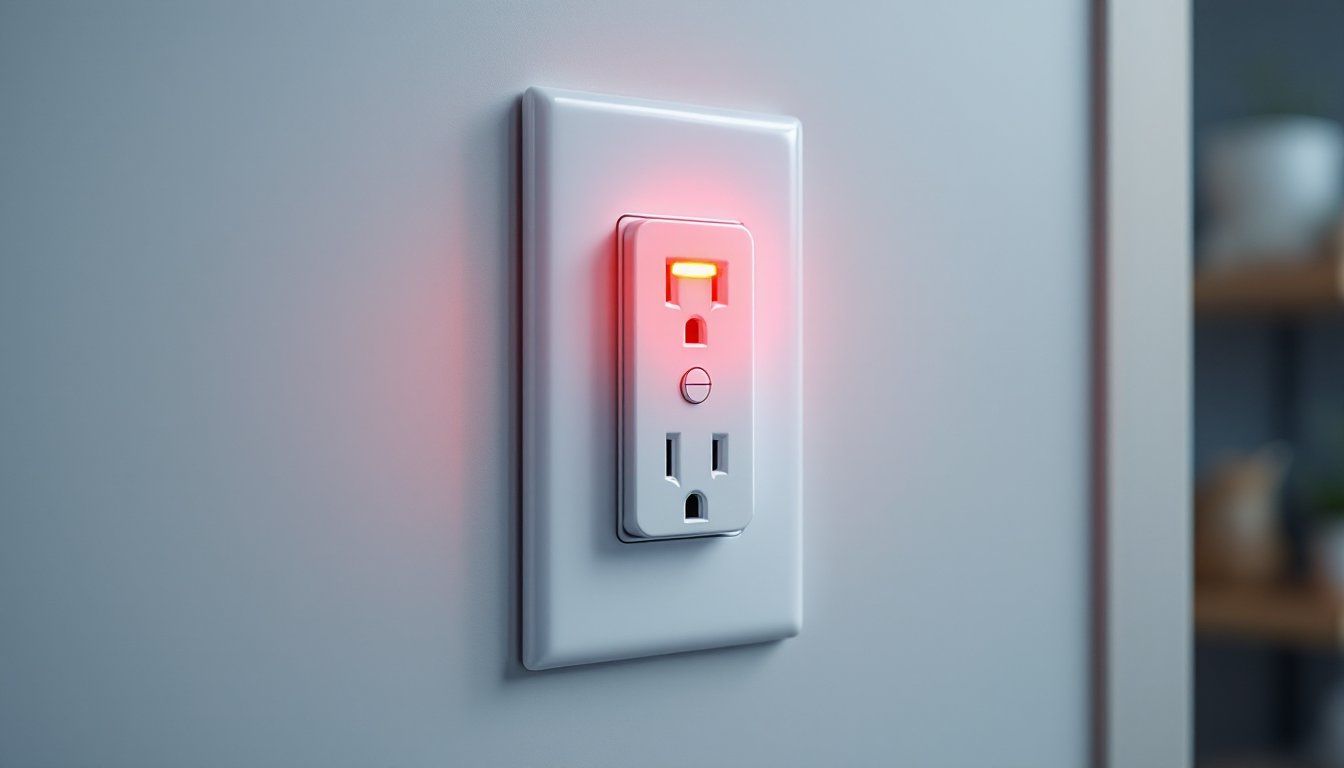
ToggleA red light glowing on a GFCI outlet can feel like a small emergency, but it’s actually your electrical system working exactly as designed. That light signals something’s out of balance, either the outlet has tripped, water’s getting too close, or there’s an electrical fault somewhere. The good news: most of the time, you can diagnose and fix the problem yourself in under five minutes. Understanding what that red indicator means is the first step to getting your outlet back online safely.
Key Takeaways
- A red light on a GFCI outlet indicates the outlet has been tripped or detected a ground fault, and in most cases you can diagnose and fix the problem yourself in under five minutes.
- The most common cause of a GFCI outlet red light is a tripped circuit from a ground fault, which you can typically resolve by pressing the RESET button firmly until it clicks and checking for power restoration.
- Water exposure, moisture buildup, and damp environments are frequent triggers for GFCI outlet tripping, so ensure the area is completely dry and fix any upstream moisture sources like leaking pipes or poor ventilation.
- If your GFCI outlet red light persists after resetting, unplug all devices and reset again to identify which item is causing the ground fault, then remove or repair that faulty device.
- Call a licensed electrician if the GFCI outlet trips repeatedly even with nothing plugged in, you see scorch marks or smell burning plastic, or if multiple outlets on the circuit are tripping simultaneously.
Understanding GFCI Outlets and What the Red Light Means
A GFCI (Ground Fault Circuit Interrupter) outlet is a specialized receptacle that monitors the electrical current flowing to your devices. Unlike a standard outlet, it compares the current leaving the hot wire to the current returning on the neutral wire. If those currents don’t match, even by a few milliseconds, it means electricity is leaking somewhere, potentially through water or a person. The outlet shuts off power instantly, usually within 30 milliseconds, to prevent electric shock or fire.
That red light you’re seeing indicates the outlet has either been tripped (powered down) or is warning you of a ground fault condition. Some GFCI outlets light up red when armed and ready, while others only glow red when they’ve detected a problem. Always check your outlet’s manual or label to confirm, but in most cases, a lit red indicator means the outlet isn’t delivering power to whatever’s plugged in.
Think of it as a tiny electrician standing guard at your bathroom sink or kitchen counter, watching for danger 24/7. When trouble shows up, it cuts the juice immediately. That’s not a malfunction, that’s the whole point.
The Outlet Has Been Tripped
The most common reason a GFCI outlet glows red is that it’s been tripped by a ground fault, and that’s usually the simplest fix. Tripping happens when the outlet detects even a tiny current leak, which can occur when you plug in a device with a frayed cord, use an appliance near water, or operate something with a minor electrical fault.
A TEST button and a RESET button sit side by side on every GFCI outlet. The TEST button deliberately triggers a ground fault so you can confirm the outlet’s protective function works. The RESET button (usually red or darker in color) restores power after a trip. If your outlet’s red light is on but you didn’t intentionally trip it, something has triggered the protection, and you need to find out what.
Ground Fault Detection in Action
Here’s how the detection actually works: electricity flows out on the hot wire and returns on the neutral wire. A GFCI’s internal sensor measures both currents continuously. The instant one microdrop of current goes sideways, toward ground, water, or a person, the imbalance is detected. The outlet’s solenoid switch snaps open, cutting power in about 25 milliseconds. That’s before dangerous current can flow through a person touching water.
Common culprits that trigger a trip include wet hands touching a plugged-in device, a damp appliance cord, a hairdryer with a damaged insulation jacket, or even high-humidity environments causing internal condensation. Electrical systems work by, and GFCI outlets are hyper-sensitive to any deviation. Once you identify and remove the faulty device, resetting the outlet is usually all you need.
Moisture or Water Exposure
Water and electricity don’t mix, and GFCI outlets know it. If your outlet is near a sink, in a bathroom, or anywhere moisture accumulates, prolonged humidity or standing water can trigger repeated tripping and keep that red light on.
Check around the outlet for visible moisture: condensation inside the cover plate, water droplets on the receptacle itself, or wet walls nearby. Even small amounts of moisture inside the outlet box can cause problems. GFCI outlets are built to handle splashes, but they’re not waterproof. If water sits inside the electrical box for days, it creates conductive pathways that feel like ground faults to the outlet.
First, make sure the area is bone dry. Turn off power at the breaker (flip the switch to OFF, not just the outlet), unscrew the cover plate, and let everything air out for a few hours. If the outlet sits in a chronically damp spot, like under a bathroom sink or near a patio, consider installing a weatherproof GFCI outlet with a protective cover. These are designed for outdoor or wet indoor locations and include gaskets and sealed covers.
If moisture keeps returning even after drying, check for leaks upstream: a sweating copper pipe, a slow sink drip, or poor bathroom ventilation. Fix the moisture source first: otherwise, the outlet will keep tripping no matter how many times you reset it.
Electrical Overload or Short Circuit
An overloaded circuit or a short circuit elsewhere on the same line can also light up a GFCI’s red indicator. Here’s the distinction: an overload happens when you draw too much power at once (plugging a space heater, microwave, and hair dryer into the same outlet simultaneously), while a short circuit occurs when a live wire touches a neutral or ground wire, creating an unintended path for current.
GFCI outlets trip on ground faults, but they also respond to certain overcurrent situations, especially if there’s a partial short or intermittent fault. If your red light flickers on and off, or stays on after you’ve reset it, something on that circuit is leaking current persistently.
Start by unplugging everything from the outlet and resetting it. If the light goes out, plug items back in one at a time. Whichever device triggers the outlet to trip again is your culprit. A frayed phone charger, a damaged power tool cord, or an aging appliance with failing insulation will cause repeated tripping. Throw out or repair that device and you’re done.
If the outlet stays red even with nothing plugged in, or if multiple outlets on the same circuit are tripping, you’ve got a wiring problem deeper in the system. This requires a licensed electrician to inspect. Don’t ignore it, a persistent short circuit is a fire hazard.
How to Reset Your GFCI Outlet
Resetting a GFCI outlet takes thirty seconds and no tools.
-
Locate the RESET button on the outlet’s face. It’s usually the button labeled RESET or marked in red, positioned to the right of the TEST button.
-
Press RESET firmly until you hear or feel a click. You may need to push hard, don’t be timid. The button should snap back out slightly after it engages.
-
Check for power. Plug in a phone charger or lamp to confirm the outlet is live again. If devices power on, you’ve successfully reset the outlet.
-
Investigate the cause. If the red light reappears within a few minutes or days, something is still triggering the protection. Don’t just reset it repeatedly: find and fix the underlying problem.
If the RESET button won’t stay pressed, or if the outlet re-trips within seconds of resetting, stop troubleshooting. That’s a sign of a serious electrical fault, either inside the outlet itself or on that circuit. Call an electrician.
When to Call a Licensed Electrician
Know when to stay in your lane. Some situations demand a professional.
Call an electrician if:
- The outlet trips repeatedly even after you’ve removed all devices and dried the area.
- You smell burning plastic or see scorch marks around the outlet.
- The RESET button is stuck or won’t engage.
- Water is actively leaking into the outlet box (especially from above).
- Multiple outlets on the circuit are tripping simultaneously.
- The outlet is in a high-risk area like a hot tub, pool, or kitchen island where codes often require licensed installation.
- You’re unsure whether the outlet requires a permit or meets current electrical code.
Electricians carry testing gear (multimeters, ground-fault testers) that diagnose faults you can’t see. A $150–$200 service call beats a house fire or electrocution. Building codes vary by jurisdiction, and some areas require a licensed electrician for any outlet work. Check with your local building department before assuming a DIY fix is permitted.
Homowners can replace a tripped outlet or dry out moisture, but wiring defects, circuit problems, and persistent electrical faults are beyond handy-neighbor territory. Expert contractor recommendations and local electrician networks are your best resources for finding a qualified professional in your area.